Most mushroom coffee brands use cheap mycelium filler — here's how to spot the real ones
Between premium labels and flashy packaging, one number matters more than anything else: 8:1 fruiting-body extract concentration.

Functional coffee is everywhere now — in your feed, on your coworker's desk, stacked at the grocery store checkout.
Most of it tastes like mushrooms mixed with burnt beans. Some brands mask it with sweeteners. A few taste clean but deliver nothing but marketing.
Here's what the labels don't make obvious: most functional coffee brands are built on mycelium-on-grain filler, not actual mushroom fruiting bodies. The difference isn't subtle. It's the gap between 100mg of active compounds and 10mg dressed up as a premium blend.
If you've tried mushroom coffee and felt nothing — or felt jittery and anxious like regular coffee — the problem wasn't mushrooms. It was the extraction quality no one taught you to check.
The Category Failure Most Brands Hope You Never Notice
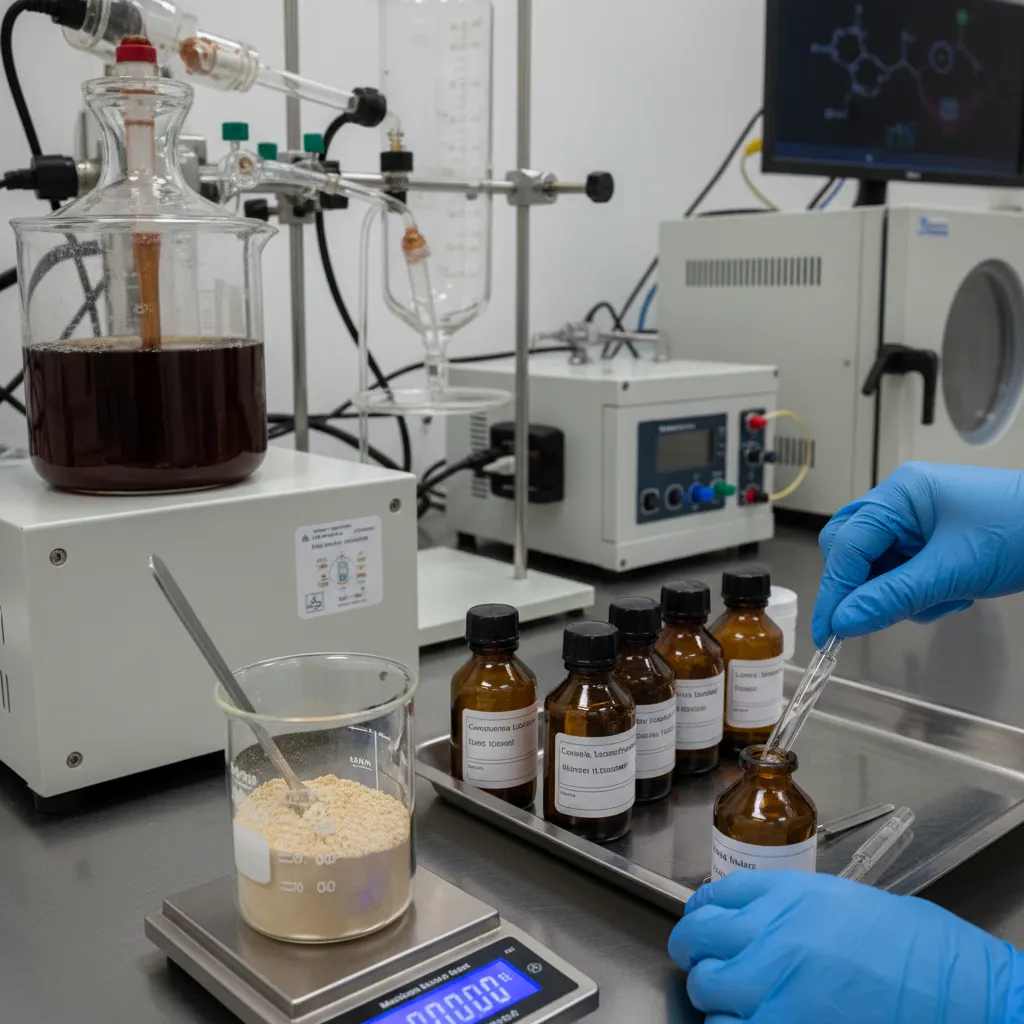
Most functional coffee brands cut corners.
They use mycelium instead of fruiting body. They use low doses that look clinical on the label but deliver nothing bioavailable. They pair cheap caffeine with nothing to smooth the jitters.
The category promises sustained energy, mental clarity, immune support. What it usually delivers is expensive regular coffee with a mushroom aftertaste.
So here's what this piece teaches: what actually makes functional coffee work, what to look for when you're evaluating any brand, and which product passes every check without the markup or the mycelium filler.
What to Look For in Any Functional Coffee

Three things matter.
8:1 fruiting-body extract concentration. Clinically dosed mushroom blends above 3000mg per serving. Clean caffeine pairing with L-theanine.
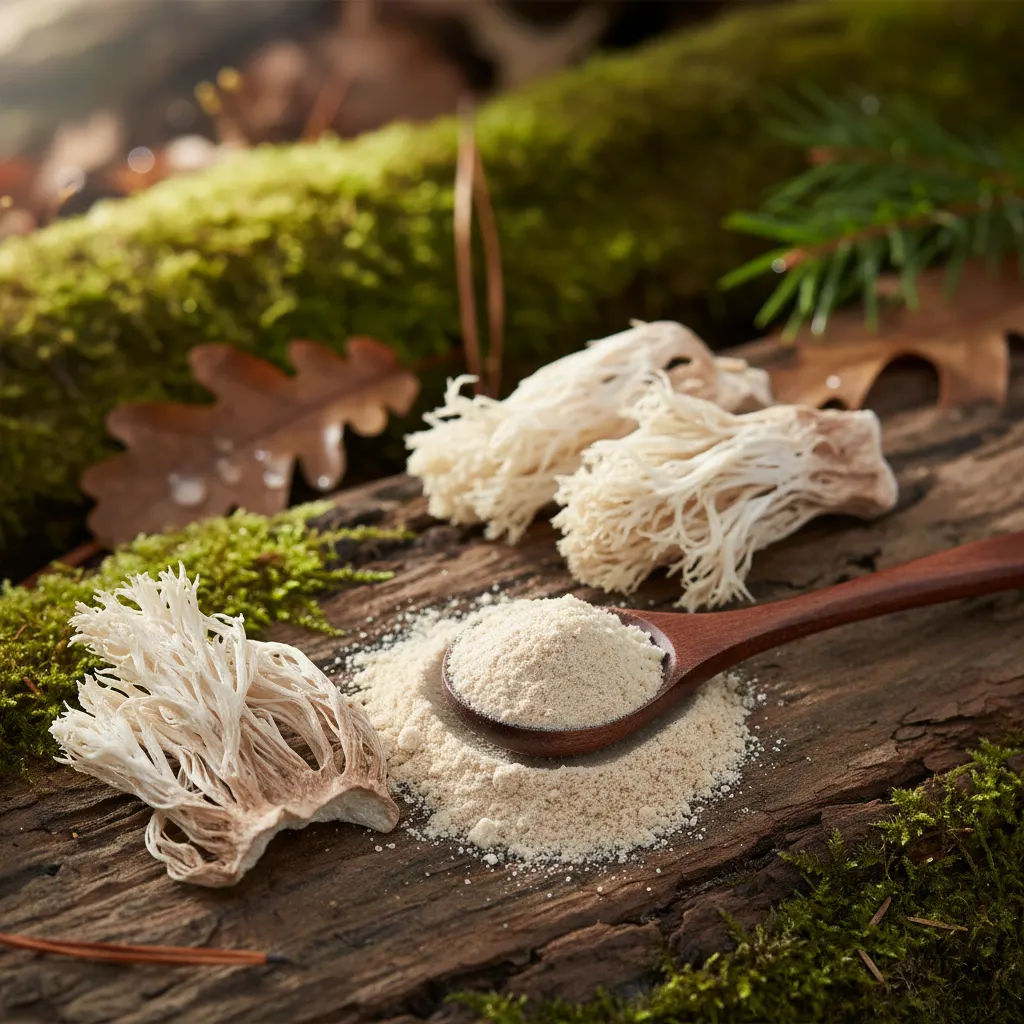
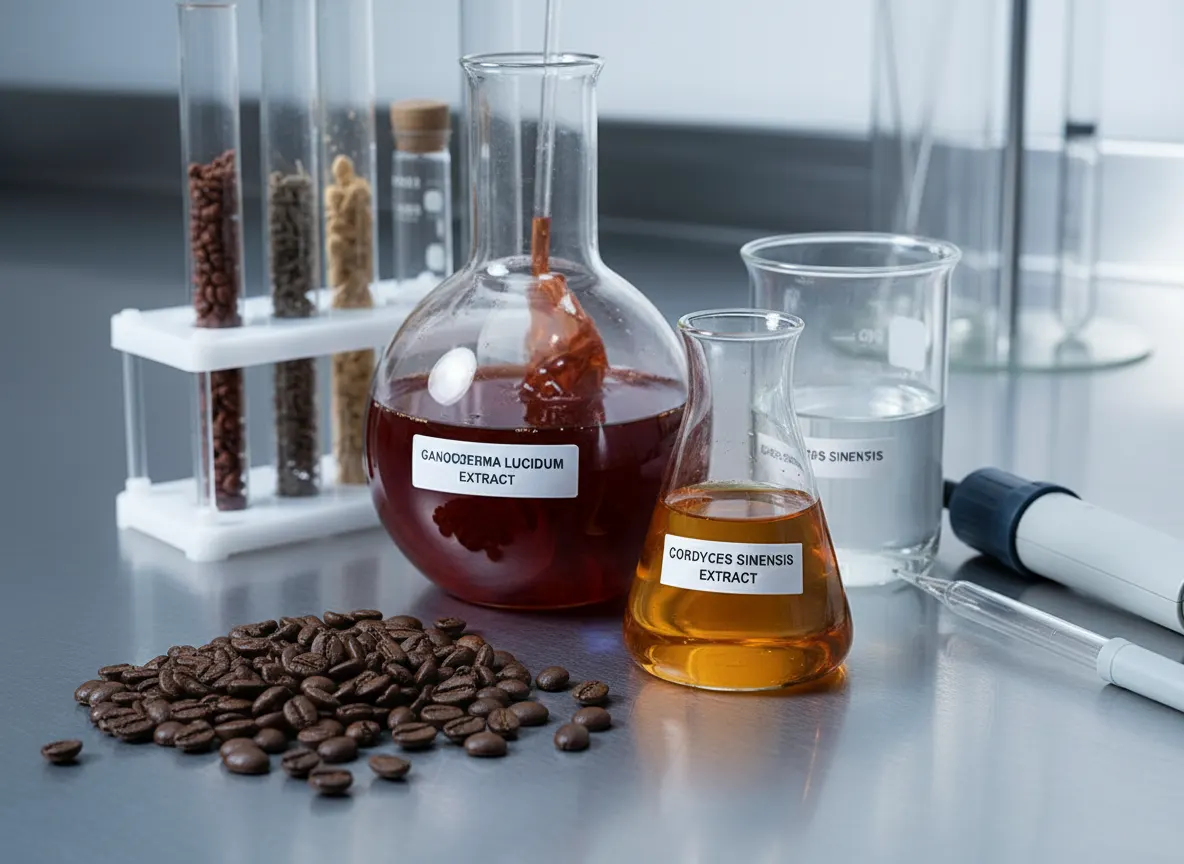
8:1 fruiting-body extract means every gram of powder represents 8 grams of whole mushroom — concentrated to isolate the beta-glucans, triterpenoids, and polysaccharides that produce actual cognitive and immune effects.
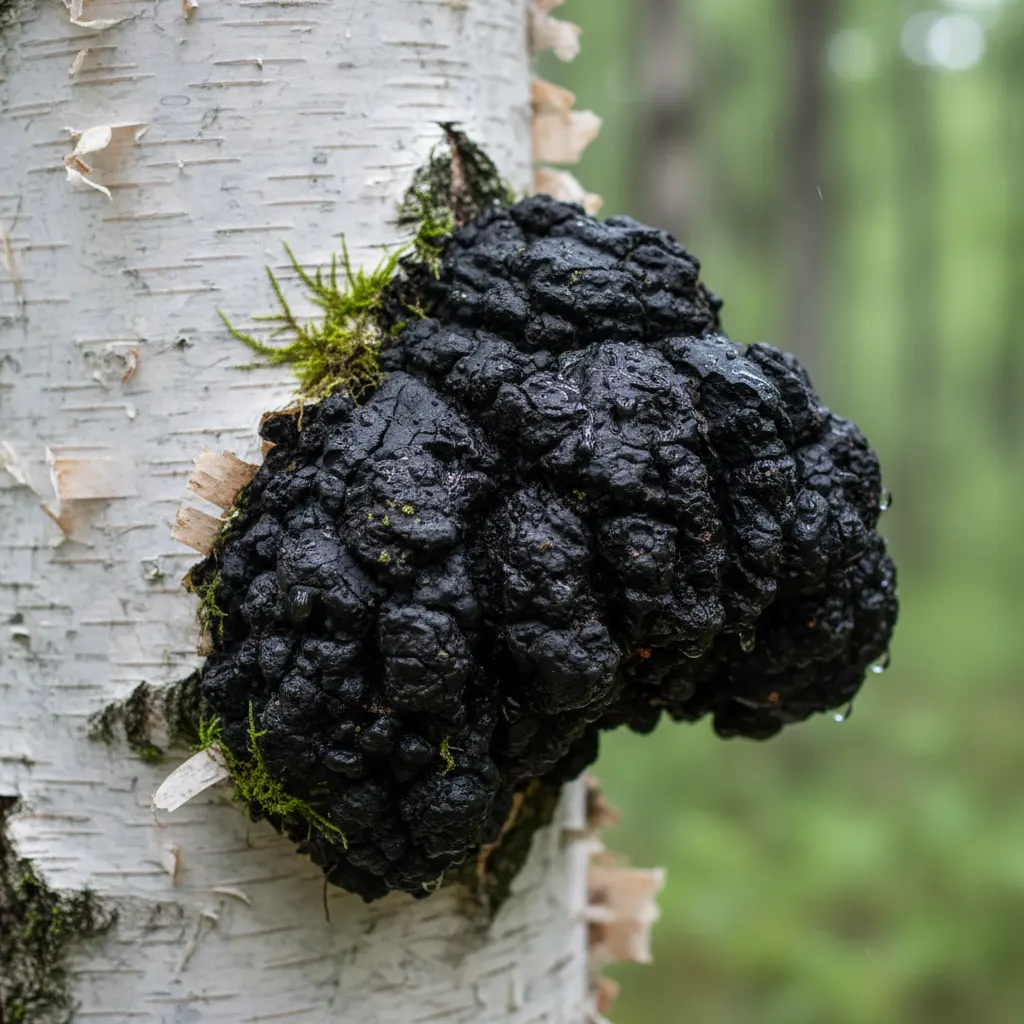
Fruiting bodies are where those compounds live. Mycelium-on-grain is the mushroom's root system grown on rice or oats — it contains trace actives at best, filler starches at worst.
Most brands use mycelium because it's cheaper to grow and faster to harvest. They list it as "mushroom blend" and hope you don't ask which part of the mushroom.
Clinically dosed blends start at 3000mg of extracted mushroom per serving.
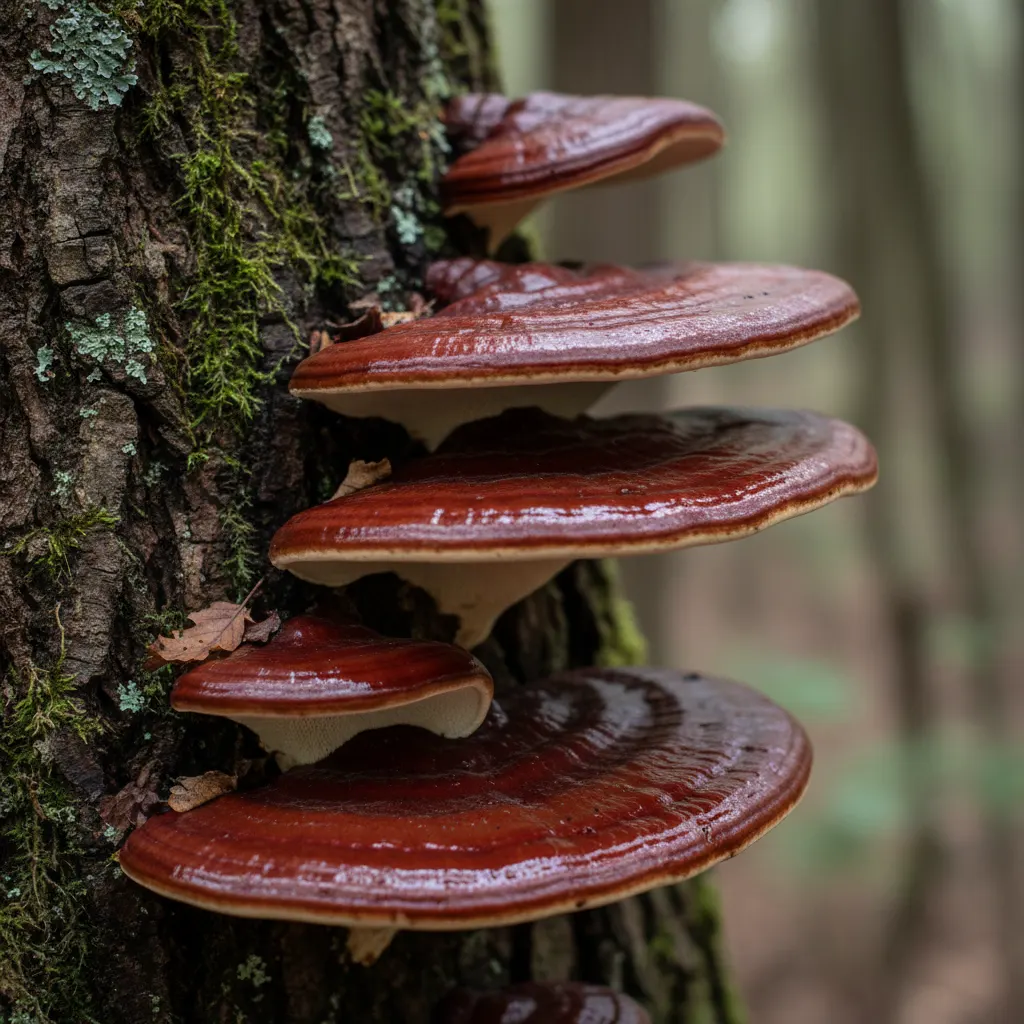
Below that, you're getting homeopathic doses — enough to claim the ingredient is present, not enough for your body to register the mechanism. Lion's Mane supports NGF production and neuroplasticity. Reishi modulates cortisol and supports calm. Chaga delivers antioxidant density. None of that happens at 200mg.
Clean caffeine pairing is 60mg caffeine — roughly half a standard cup — combined with 120mg L-theanine. L-theanine is an amino acid that smooths caffeine's stimulant edge without killing the alertness. The result is focus without jitters, energy without the 3pm crash, mental clarity that lasts through the afternoon instead of spiking and collapsing by lunch.
Regular coffee delivers 95-200mg caffeine with no buffer. Your cortisol spikes, your heart rate climbs, the energy feels sharp for 90 minutes and then you're reaching for cup two.
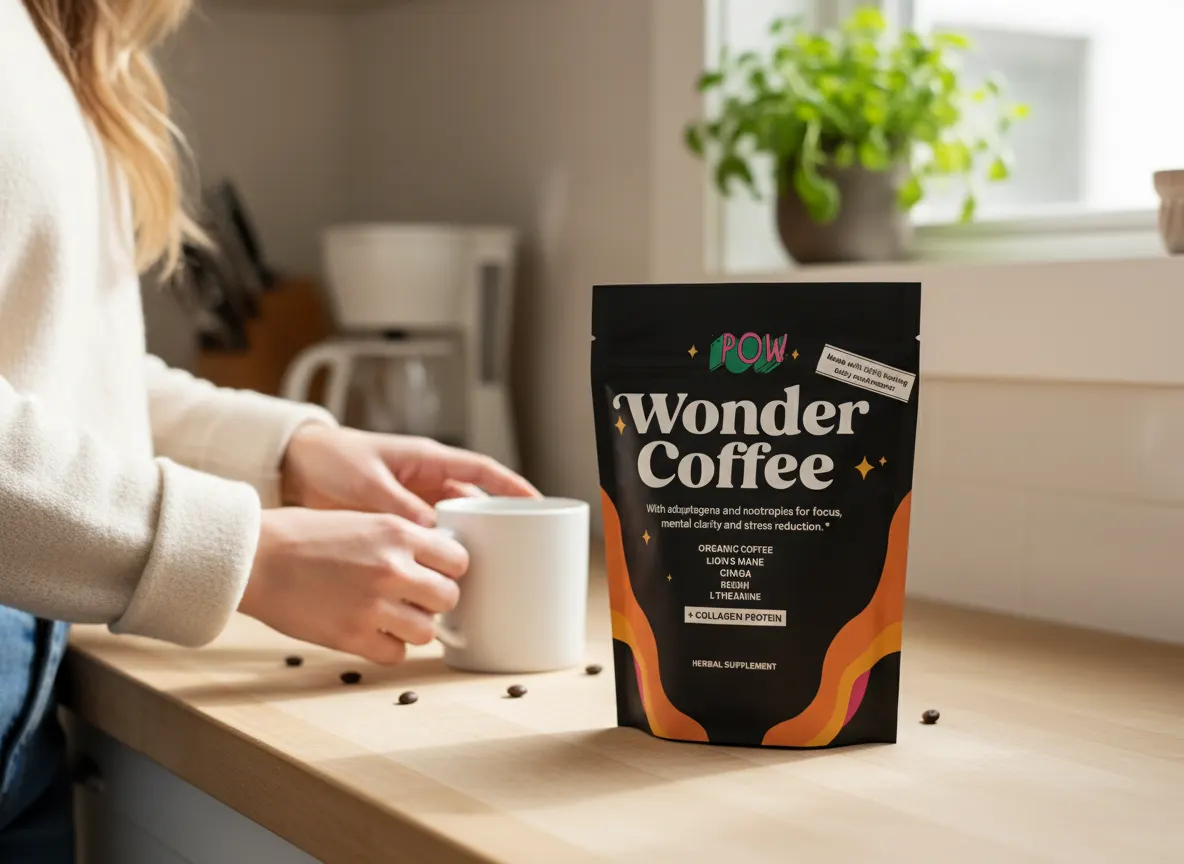
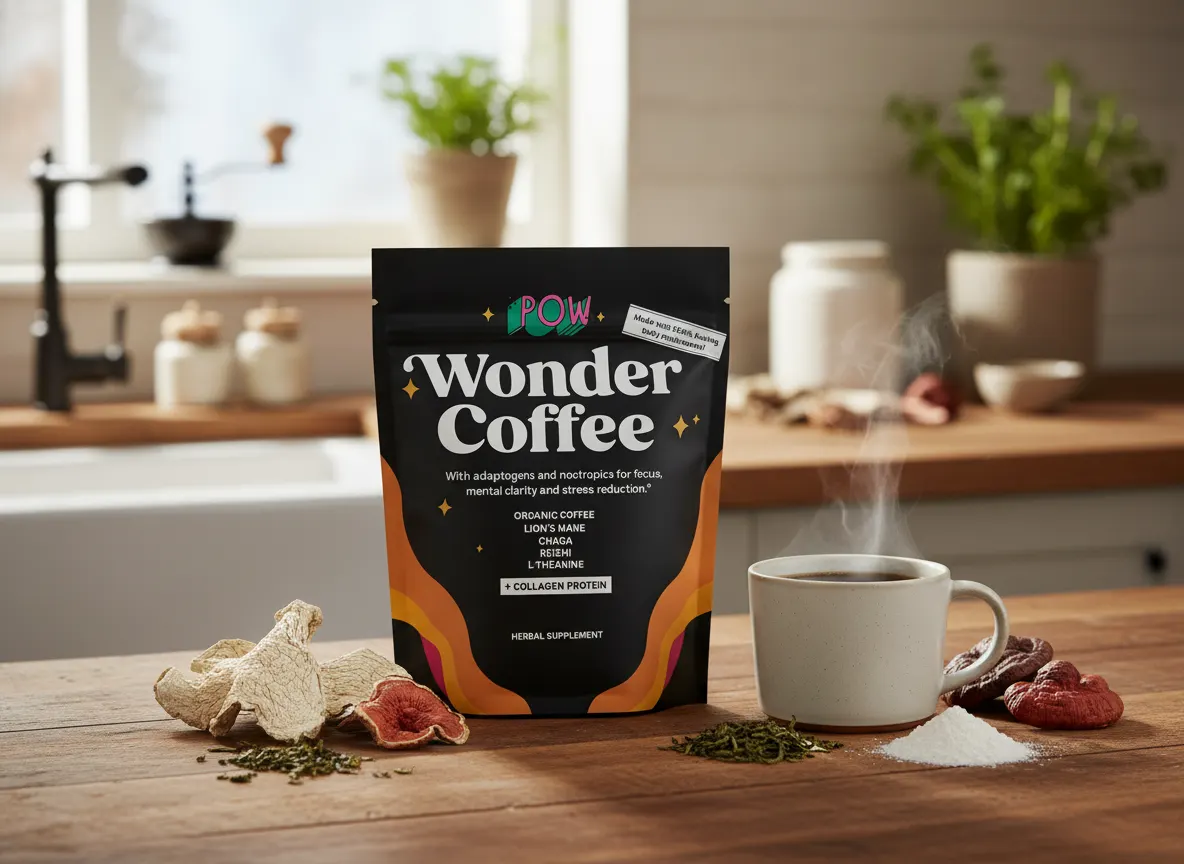
Wonder Coffee delivers this combination consistently: 8:1 fruiting-body extracts from Lion's Mane, Reishi, and Chaga at a total mushroom dose above 3000mg, paired with 60mg organic coffee and 120mg L-theanine. Third-party tested at Eurofins. No mycelium. No fillers. No milk powders padding the scoop weight.
What You Get in Every Cup
The 8:1 Fruiting-Body Difference

Why Wonder Coffee Passes Every Check
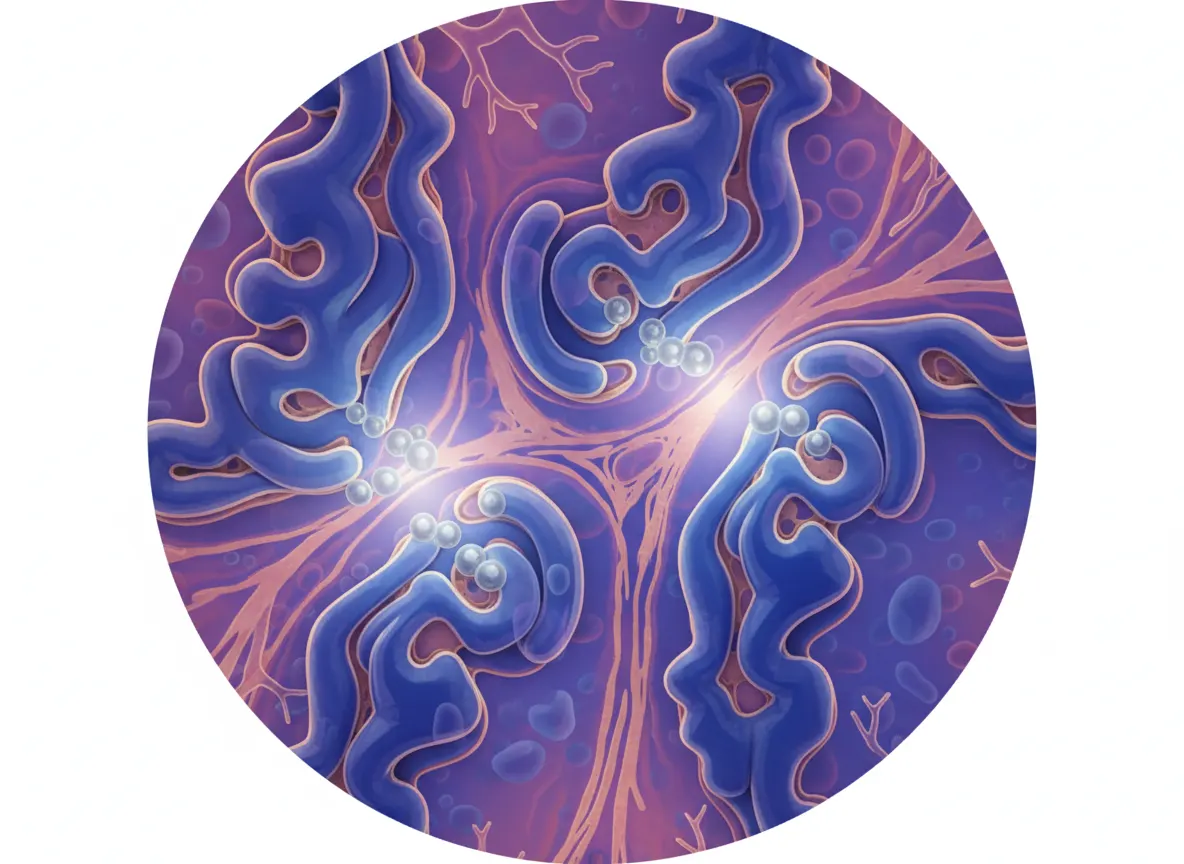
8:1 fruiting body extract means 2880mg of bioavailable mushroom per serving
Most functional coffees use mycelium-on-grain, which is mostly filler. Wonder Coffee uses 8:1 fruiting body extract — meaning eight pounds of raw Lion's Mane, Reishi, and Chaga reduced to one pound of concentrated powder. That's 1200mg Lion's Mane, 840mg Reishi, and 840mg Chaga per serving.
The fruiting body is where the beta-glucans and bioactive compounds actually live. Mycelium competitors need 5-10x the volume to hit the same dose, which is why they hide behind vague "proprietary blends." Wonder's 3000mg+ total is the amount clinical studies actually measure when they see cognitive and mood shifts.
60mg caffeine plus 120mg L-theanine kills the jitter-and-crash cycle
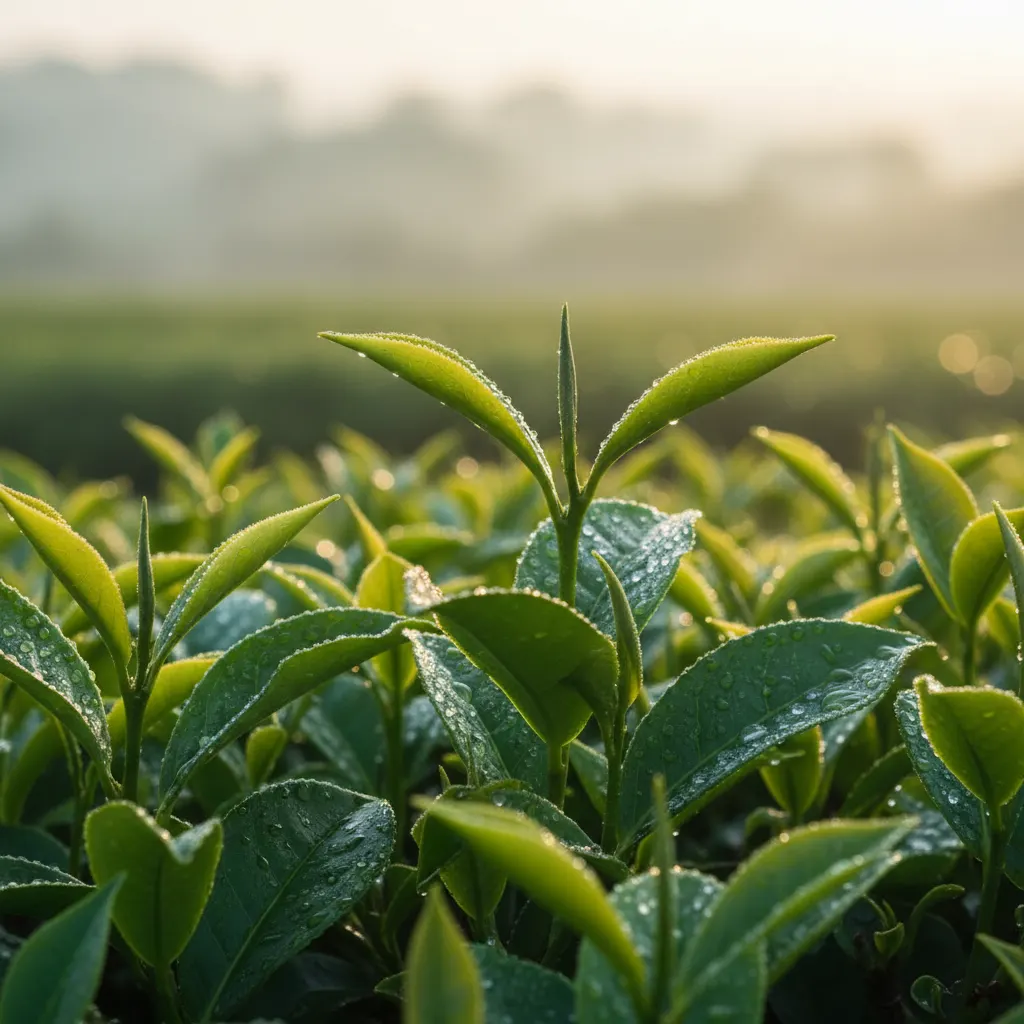
Regular coffee floods your system with 95–200mg caffeine all at once, which is why you feel wired at 10am and crashed by 2pm. Wonder Coffee uses only 60mg caffeine — roughly one-third of regular coffee — paired with 120mg of L-theanine, an amino acid from green tea that smooths out caffeine's rough edges.
L-theanine extends the energy curve into a longer, flatter line and adds the calm-focus quality people describe as "clean." You get sustained mental clarity without the anxiety, tremor, or afternoon energy cliff. It's the ingredient that makes functional coffee feel like ritual instead of self-sabotage.
Eurofins third-party tested and made in USA — no guessing about purity
Every batch of Wonder Coffee goes through Eurofins for heavy metals, pesticides, mold, and potency verification. The lab results are published, not hidden. You don't have to take the brand's word for anything; you can read the actual Certificate of Analysis.
Most supplement companies skip third-party testing because it's expensive and it exposes weak batches. Wonder paid for the real deal because sustainable energy means nothing if the product is contaminated or under-dosed.
Grass-fed collagen peptides add sustained satiety without the crash
Collagen peptides slow the absorption of caffeine into your bloodstream, which flattens the energy spike and extends the duration. They also trigger satiety signals, so you're less likely to reach for a snack at 11am because your blood sugar spiked and crashed.
It's the ingredient that turns Wonder Coffee from a stimulant into a complete meal-replacement morning ritual — you actually feel full and sustained, not just awake.
60-day guarantee covers the adaptation window — week 1 through month 2
Adaptogenic mushrooms don't work like caffeine. They compound over weeks as your nervous system recalibrates and stabilizes. Most 14-day and 30-day guarantees expire right when the real benefits are kicking in.
Wonder's 60-day window is long enough to notice the shift from jittery-and-crashed to clear-and-steady. By day 45–60, you'll feel the difference in how you handle stress, how your focus sticks, and how your mood stays level. That's the timeline the research supports, and that's the timeline the guarantee protects.
What Health-Focused Professionals Are Reporting
Your 6-Month Progress Map
Fruiting Body vs. Mycelium: The Extraction Gap
- Mycelium grown on grain filler — the root, not the mushroom with active compounds1:1 or lower extraction ratios mean diluted, weak doses that feel like filler500-1500mg total mushroom dose per serving — below clinical study thresholds
- Proprietary blends hide exactly how much extract versus cheap grain powder you're drinking
- No third-party testing — "mushroom" label could mean anything inside the packet
- Tastes grainy or earthy because low-quality mycelium dominates the flavor profile
- 8:1 concentrated fruiting-body extract — the actual mushroom cap where bioactive compounds live8x more concentrated than competitors means real potency at smaller, cleaner doses3,000mg+ clinically dosed mushroom extracts per serving — meets research study minimums
- Every ingredient and dose on the label — zero hiding, full transparency
- Eurofins third-party tested — verified for potency, purity, heavy metals, and pesticides
- Tastes like coffee because 60mg clean caffeine + collagen peptides, not grainy mycelium filler