8 Things Most Moms Get Wrong About Mushroom Coffee (And Why It Matters for Your Energy)
Weak mycelium powder delivers minimal active compounds; concentrated fruiting body extract delivers the dose your body can actually use for focus — here's how to tell them apart.
 1
1
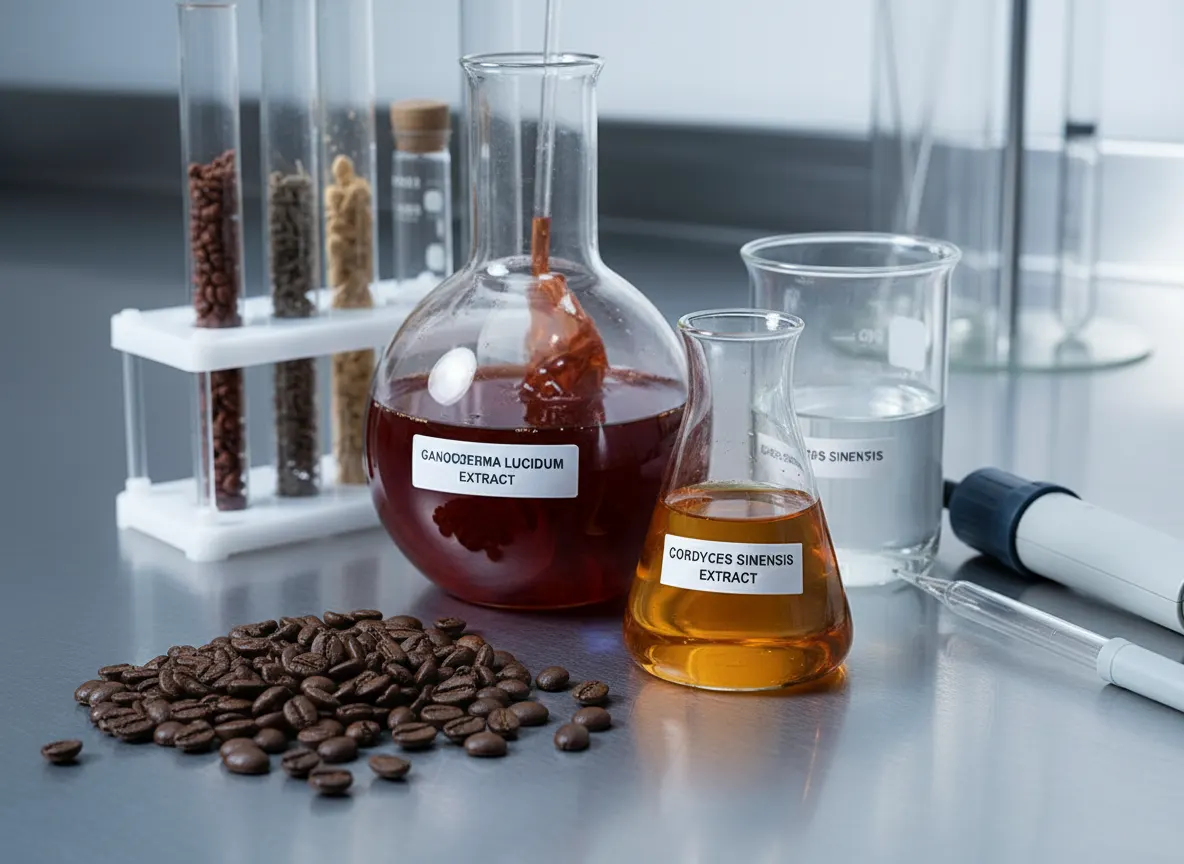
Most Mushroom Coffee Is Just Ground Mycelium — The Part That Grows in Grain
Mycelium is cheap to produce because it grows fast in grain.
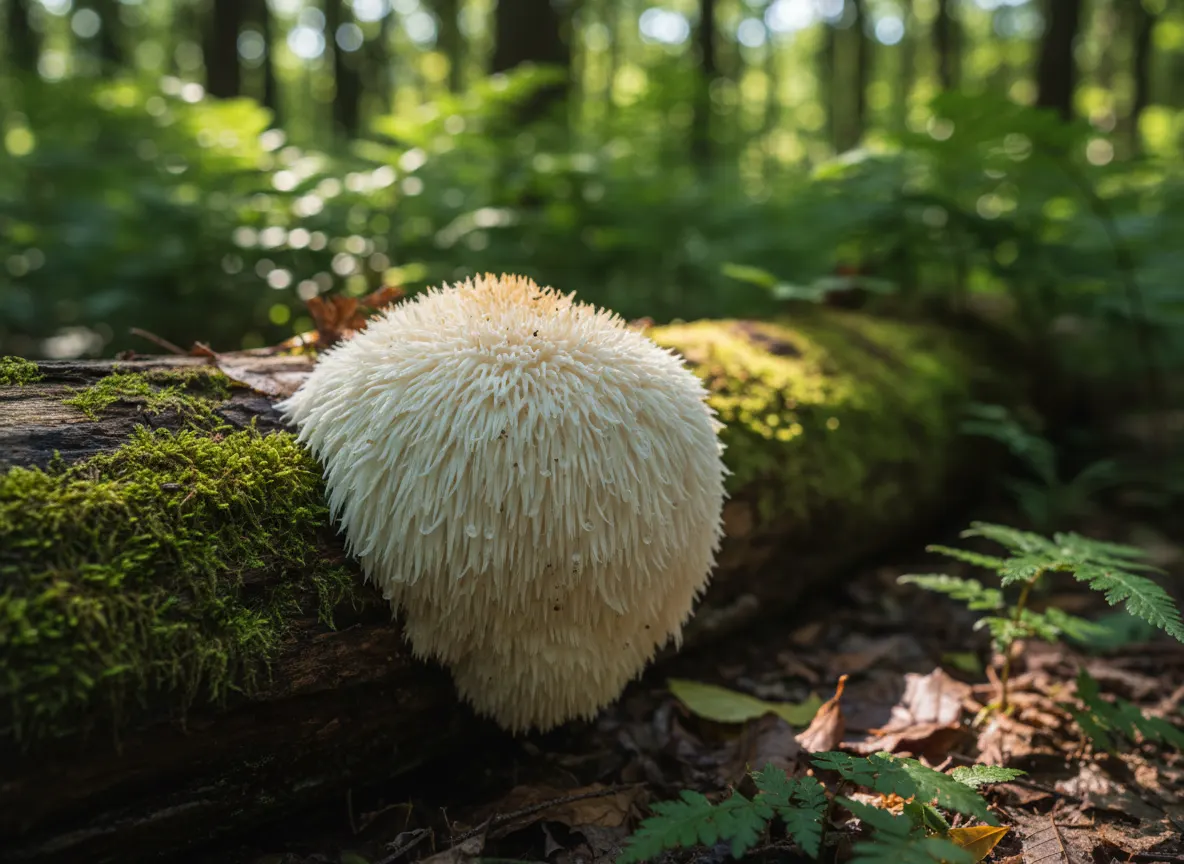
The fruiting body is the actual mushroom, the part traditional medicine has used for centuries. Most brands grind up mycelium because it's cheaper and easier to source. The problem: mycelium grown on grain is mostly starch, with only trace amounts of the active compounds that make mushrooms work.
When you see "mushroom powder" on a label with no mention of fruiting body, you're likely getting filler. Real extracts list the fruiting body percentage — and it should be close to 100%.
 2
2
You're Getting Less Than 10% of the Active Compounds
An 8:1 extract concentrates eight grams of fruiting body into one gram of powder.
A 1:1 powder means one gram of raw material equals one gram — no concentration. That's eight times the beta-glucans, triterpenes, and polysaccharides per serving with an extract. Most mushroom coffees use 1:1 mycelium powder, which delivers less than 10% of the bioactive compounds an 8:1 extract provides.
If the label doesn't say "extract" and give you a ratio, assume it's just ground powder.
 3
3
Clinical Doses Start Around 3000mg — Most Brands Use 500mg
Clinical studies use 3000mg to 5000mg of mushroom extracts per day.
Most grocery-store mushroom coffees contain 500mg to 1000mg — not enough to cross the threshold where your body registers the effect. It's not that mushrooms don't work. It's that the dose is decorative.
Lion's mane for memory and focus needs at least 1000mg of concentrated extract. Reishi for calm energy needs similar amounts. If the serving size on the label adds up to less than 3000mg total mushroom content, you're underdosed.
 4
4
The Crash Comes From Too Much Caffeine Without Balance
Regular coffee spikes cortisol and crashes you hard an hour later.
That's because caffeine without L-theanine has nothing to smooth the ride. L-theanine is the amino acid in green tea that calms the stimulant edge without killing the focus. Clinical doses start at 100mg when paired with caffeine.
If your mushroom coffee has high caffeine and no L-theanine, it's just expensive regular coffee with mushroom dust. The crash will feel the same.
 5
5
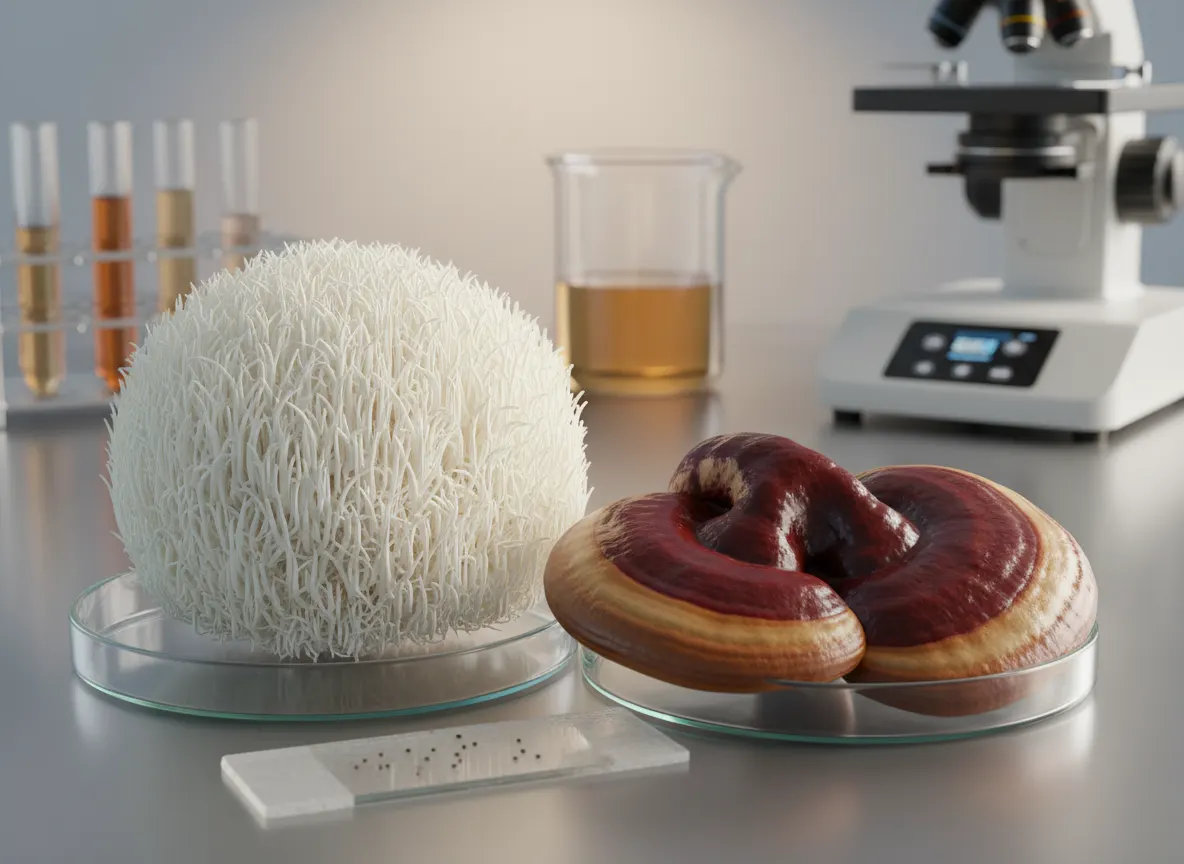
Heavy Metals and Fillers Hide in Cheap Extracts
Mushrooms are bioaccumulators — they pull lead, arsenic, and cadmium from soil.
Cheap suppliers skip testing. Third-party labs like Eurofins test every batch for contaminants and verify that what's on the label matches what's in the product. If a brand doesn't name the lab that tested it or show certificates, assume it hasn't been tested.
Fillers are the other red flag: maltodextrin, milk powders, and rice flour bulk up the serving size and lower the per-dose cost. Check the ingredient list. If it's longer than six items, most of it isn't mushrooms.
 6
6
Real Fruiting Body Extracts Don't Taste Like Mushrooms
The dirt-like taste comes from mycelium powder grown on grain.
Fruiting body extracts taste mild and slightly earthy-sweet — more like dark chocolate or roasted nuts than dirt. When processed correctly, the mushroom flavor is so subtle it disappears into the coffee.
If your mushroom coffee tastes like wet soil, it's mycelium. The fruiting body has a clean, almost neutral profile when extracted properly.
 7
7
Your Body Needs Weeks to Build the Benefits — Not One Cup
Mushrooms aren't stimulants.
They work by modulating how your body regulates energy, stress response, and inflammation over time. In the first week, most people notice cleaner energy without jitters — that's the L-theanine and lower caffeine working immediately. The deeper cognitive and immune benefits from lion's mane and reishi take a month of consistent use to show up.
After three months, resilience improves — you bounce back faster from stress and sleep disruption. After six months, your baseline shifts. If you're expecting a one-cup transformation, you'll be disappointed. Functional mushrooms are a long game.
 8
8
The Good Ones Cost More Because the Extraction Is Expensive
Fruiting body extraction costs eight times more than mycelium powder.
Third-party testing costs money. Clinical doses mean you're getting more active ingredient per serving, which drives the per-bag cost up. A $15 mushroom coffee with 500mg of mycelium and no testing is cheap because it's mostly filler and hope.
The real ones sit around $30 per bag. That's not markup — that's the cost of ingredients that work. If you see mushroom coffee under $20, check what you're actually buying. Cheap almost always means weak.
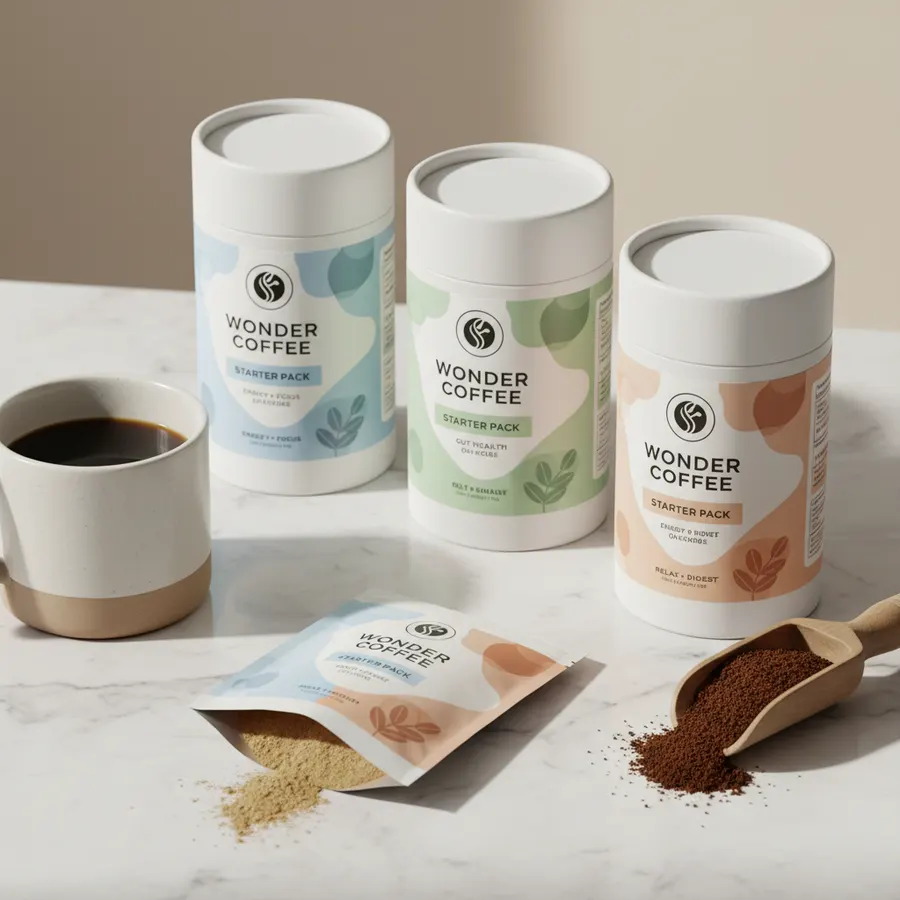
Meet Wonder Coffee — The One That Gets All Eight Right
Wonder Coffee checks every box.
The organic certification, the 8:1 fruiting body extracts, the 3000mg+ of lion's mane, reishi, and chaga per serving, the 120mg of L-theanine balancing the 60mg of caffeine, the Eurofins third-party testing for heavy metals and purity, the clean taste that doesn't fight the coffee, the timeline that builds real resilience instead of a one-cup high.
Two versions available.
One with grass-fed collagen peptides for moms focused on skin and joint support; one vegan with Tremella mushroom and MCT oil. Both formulas use the same concentrated extracts, the same clinical doses, the same testing standards. No mycelium, no fillers, no milk powders.
88.9% report improvement in focus, energy, or mood.
The starter pack is $29.95. The 60-day guarantee means you're not stuck if it doesn't land for you.
What Our Customers Noticed
Real feedback from people who switched from regular coffee to Wonder — the differences they noticed in the first month, and what kept them coming back.
What's Inside the Starter Pack
Questions About Wonder Coffee
The questions moms ask most often before trying mushroom coffee for the first time — about taste, timing, and whether it actually works when you're running on four hours of sleep.