Most Mushroom Coffee Uses Grain Filler. Here's the Extract Ratio That Changes Everything.
The difference between fruit body extracts and mycelium powder explains why some mushroom coffees work—and most don't.

You switched to mushroom coffee because regular coffee left you wired, then crashed by lunch. The promise was simple: calm energy, no jitters, actual focus.
But here's what most brands don't mention on the label. The mushroom powder in most blends isn't mushroom at all—it's mycelium grown on grain, then ground up with the grain still inside. You're drinking oat filler. Trace amounts of the compounds that matter.
The Extract Concentration Most Brands Skip
The brands that do use real mushrooms rarely extract them properly. Whole mushroom powder sounds clean, but your stomach can't break down the chitin—the rigid cell wall that locks the active compounds inside. You're paying for ingredients your body can't access.
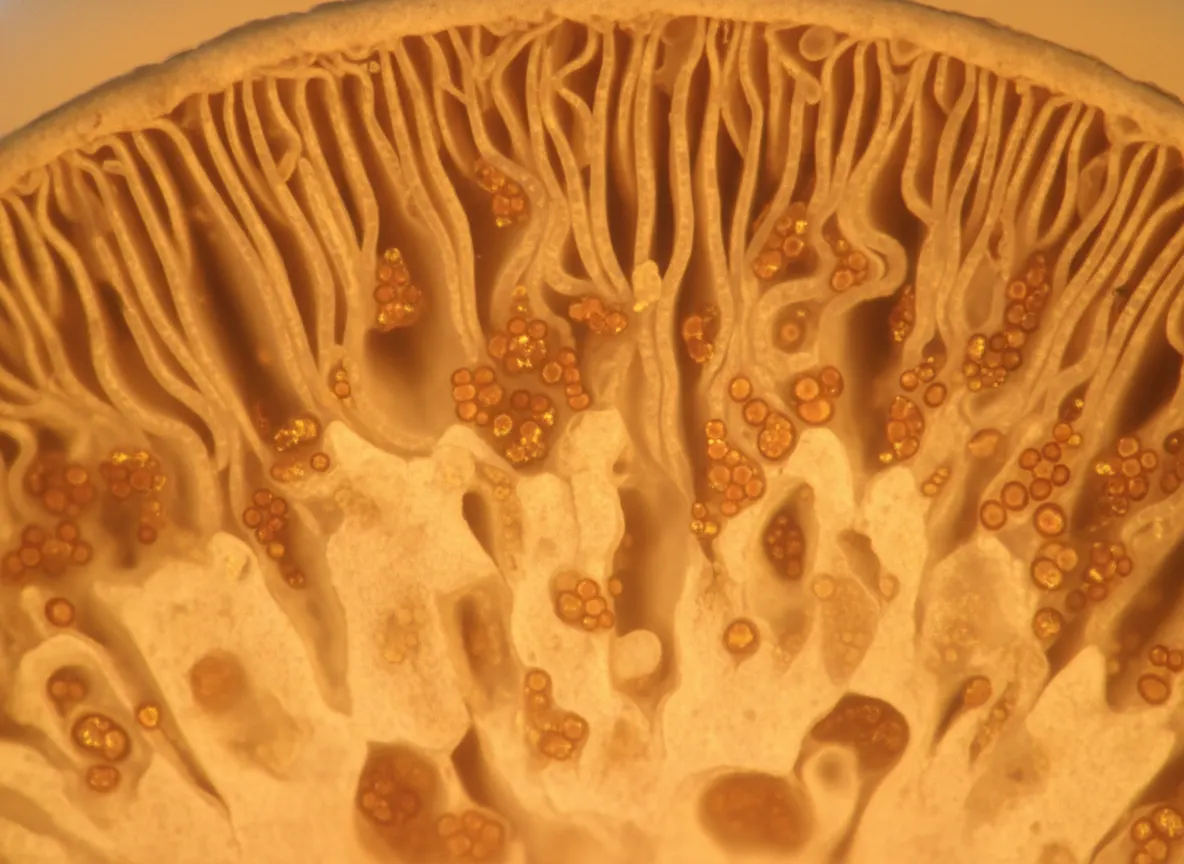
Most competitors use 1:1 powders or mycelium blends with no extraction step. The label says lion's mane; the body gets trace concentrations with no measurable effect.
Real potency starts with extraction ratio.
An 8:1 ratio means eight grams of fruiting body mushroom concentrated into one gram of extract your body can use. The compounds your cells actually use—beta-glucans (the immune-boosting molecules in chaga) and erinacines (the brain-supporting compounds in lion's mane)—survive the process and show up in your bloodstream.
One supplement tastes like it should work. The other actually delivers the focus, calm, and clarity you switched for in the first place.
The real difference is clear.
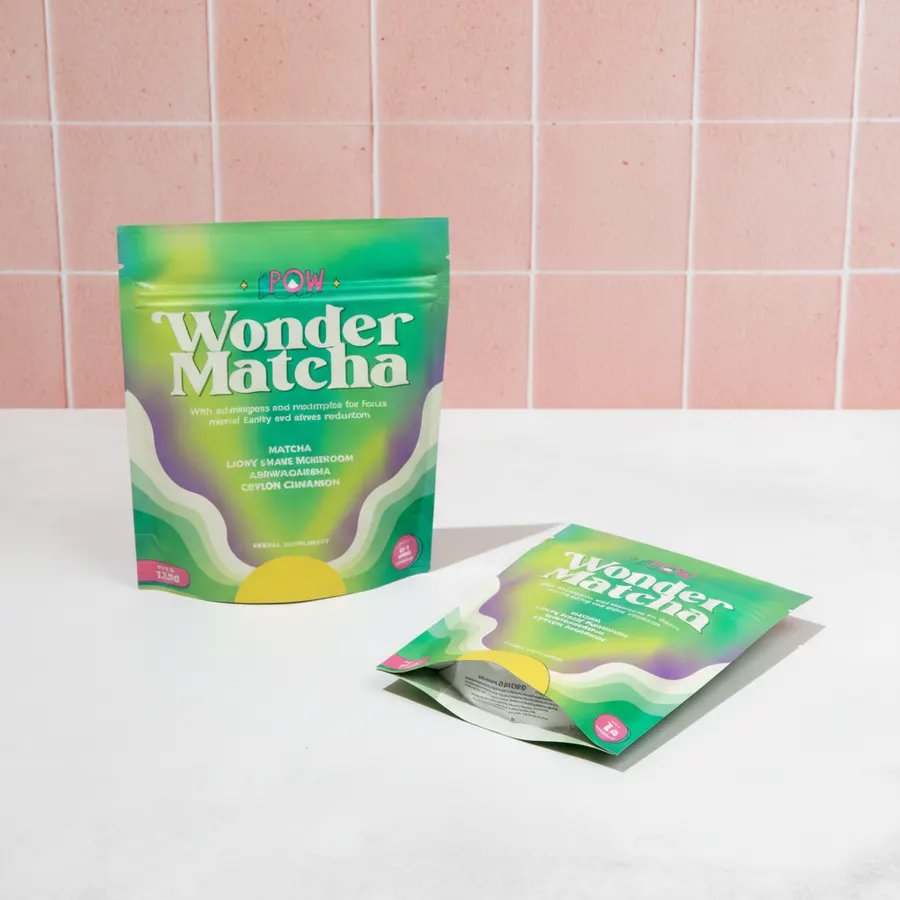
Wonder Coffee & Matcha: The 8:1 Formula
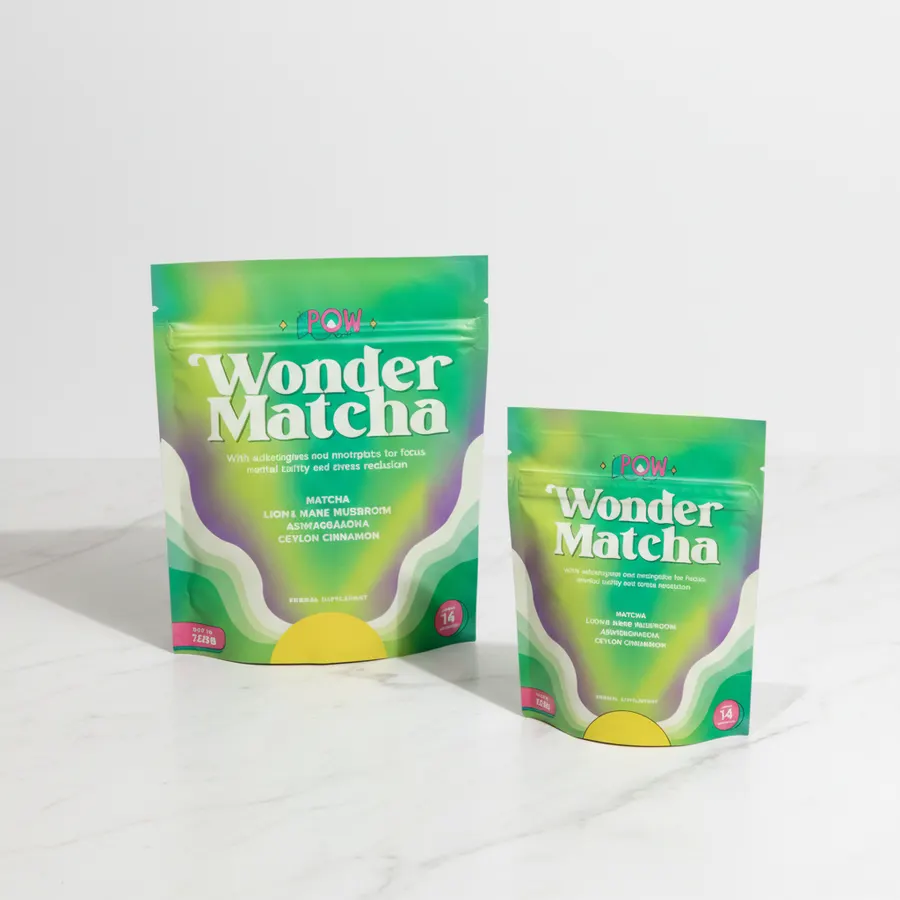
Both use 8:1 fruit body extracts.
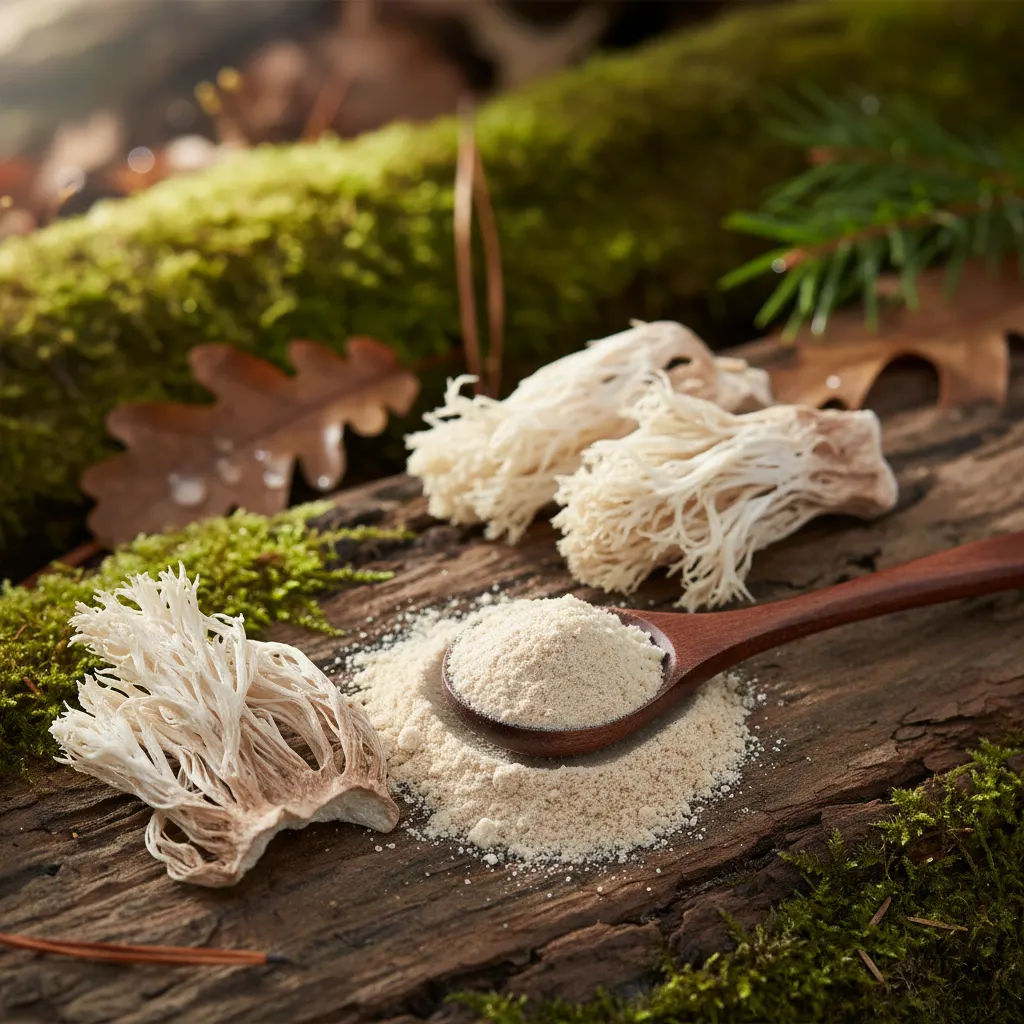
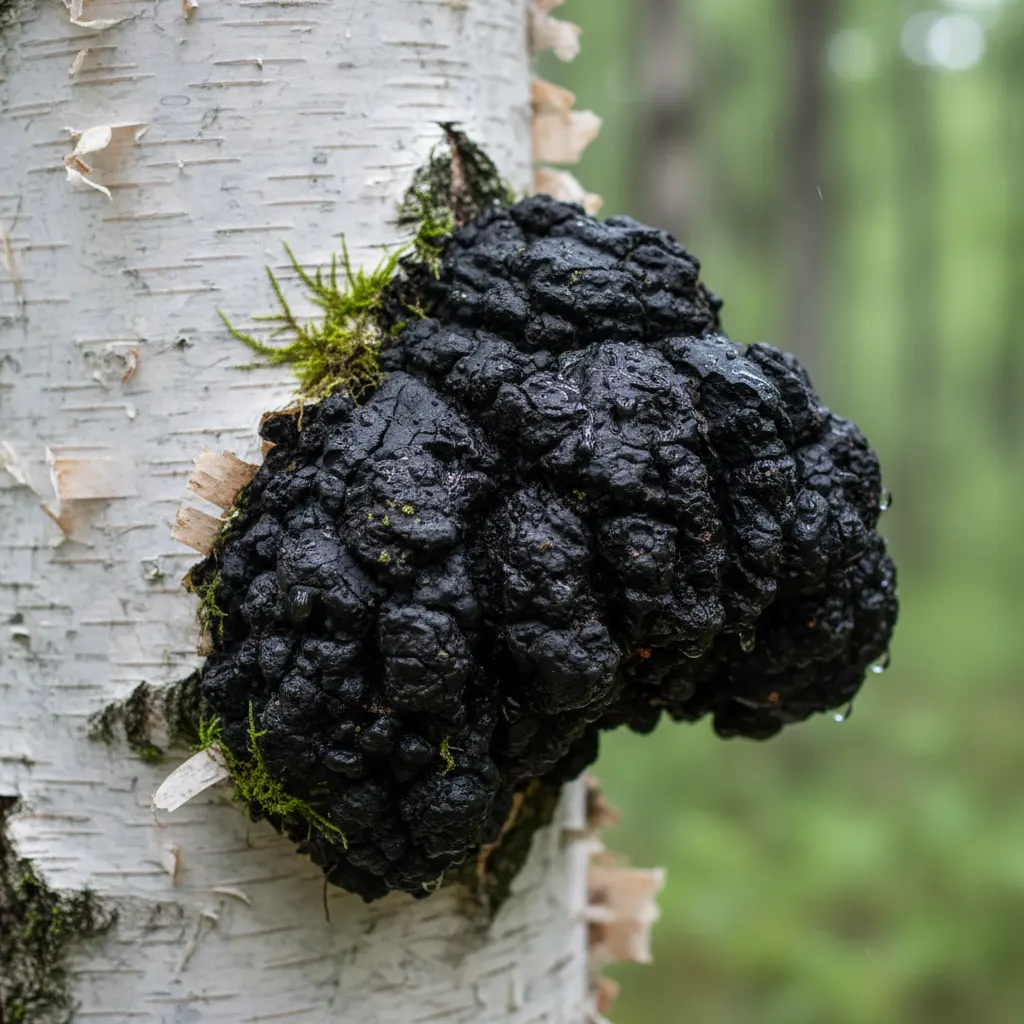
Wonder Coffee and Wonder Matcha concentrate lion's mane, reishi, and chaga at eight times baseline potency. The extraction process breaks down the chitin wall (the rigid outer layer of mushroom cells) and isolates the compounds that clinical research actually measures.
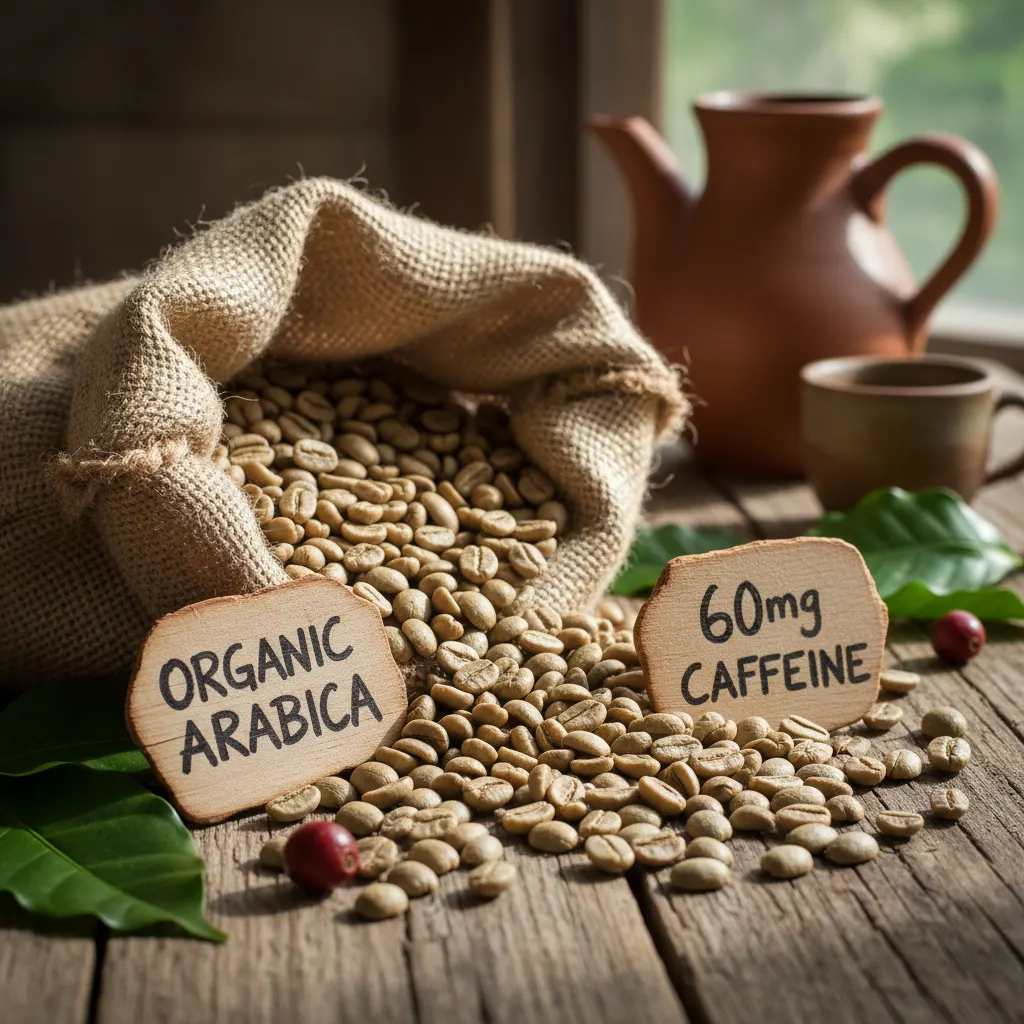
The coffee blends organic arabica with L-theanine—the amino acid in green tea that smooths out caffeine's edge—and collagen for skin and joint support.
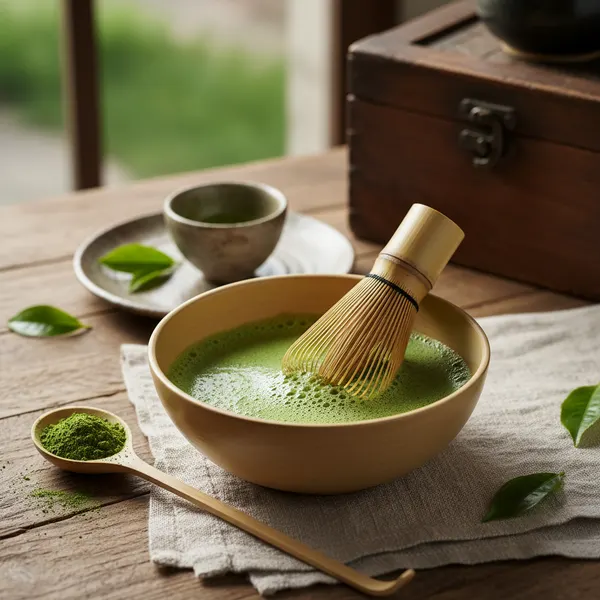
The matcha uses ceremonial-grade powder with tremella mushroom, known in traditional medicine for hydration and skin elasticity.
Both taste like the ritual they're replacing. Creamy latte texture. No earthy aftertaste. No grain filler.
The founder, Ezra, started blending these at home after burning out on regular coffee—jittery mornings, afternoon fog, cycles of over-caffeination to keep up. The first version was for himself.
Twenty thousand customers later, the formula is the same: real extracts, clean ingredients, nothing you wouldn't want in your morning cup.
What You Get in Every Cup
What's Inside (and What's Not)
Every ingredient earns its place. No proprietary blends, no filler, no mycelium-on-grain. Just the extracts and base ingredients that deliver the effect.


Why 20,000+ Customers Switched
Real Results from Real Customers
Four-point-eight stars across twenty thousand orders. The reviews name the same pattern: the energy feels different, the crashes stop, the ritual sticks.
Your First Month: How the Effects Unfold
Most people notice the absence of jitters on day one. The deeper effects—clearer thinking, steadier mood, gut comfort—build over the first month as the compounds accumulate.
Wonder vs. Every Other Mushroom Coffee
The table below shows what separates real extracts from category noise. Extraction ratio is the line that matters—everything else follows from it.
- Mycelium-based extracts with lower bioavailability
- Single mushroom or incomplete adaptogen blend
- Grainy texture and weak coffee taste
- Jittery energy followed by afternoon crash
- Generic mushroom dose without potency data
- Fillers and unnecessary ingredients in formula
- 8:1 fruit body extracts, 8x more potent dosing
- Lion's Mane, Reishi, Chaga, L-Theanine stacked synergistically
- Ceremonial matcha smoothness, organic arabica richness
- Calm, sustained focus without jitters or crashes
- 8x potency vs competitors—measurable extract ratio
- Collagen or Tremella, zero fillers, clean formula
Choose Your Ritual
What First-Time Buyers Ask
Does it taste like regular coffee? Will I feel the difference right away? Can I drink it if I'm sensitive to caffeine? The questions below answer what most first-time buyers ask before ordering.
Start Your 60-Day Trial