
You reach for your third cup of coffee by 2 PM, already feeling that familiar flutter of anxiety creeping in. Your hands are slightly shaky, your focus is scattered, and you know the crash is coming. But you need the caffeine to get through the rest of the day.
The promise of mushroom coffee seemed perfect: sustained energy without the jitters, focus without the crash, all the benefits of regular coffee plus the supposed wellness boost from functional mushrooms. You've probably tried a few brands already, maybe even wondered if the whole category is just expensive marketing hype.
But here's where it gets tricky — most mushroom coffee brands aren't actually using real mushroom extracts.
After diving deep into ingredient labels, third-party testing reports, and the murky world of mushroom sourcing, I discovered why so many people report feeling nothing from their mushroom coffee. The industry has a dirty little secret: most brands use mycelium grown on grain, not actual mushroom fruiting bodies.
"The difference between mycelium and fruiting body extracts isn't just marketing — it's the difference between getting a therapeutic dose and getting expensive filler."
Your skepticism about mushroom coffee working is completely justified. Most products in this category are designed to maximize profit margins, not deliver results.
Real functional mushrooms work through bioactive compounds called beta-glucans, triterpenes, and hericenones (in Lion's Mane). Think of these compounds like keys that unlock specific cellular processes — Lion's Mane supports nerve growth factor production, Reishi modulates stress response pathways, and Chaga provides potent antioxidant activity.
But here's the crucial part: these beneficial compounds are concentrated in the mushroom's fruiting body — the part that grows above ground and looks like what we typically think of as a "mushroom." The mycelium (the root-like network that grows underground) contains far lower concentrations of these active compounds.
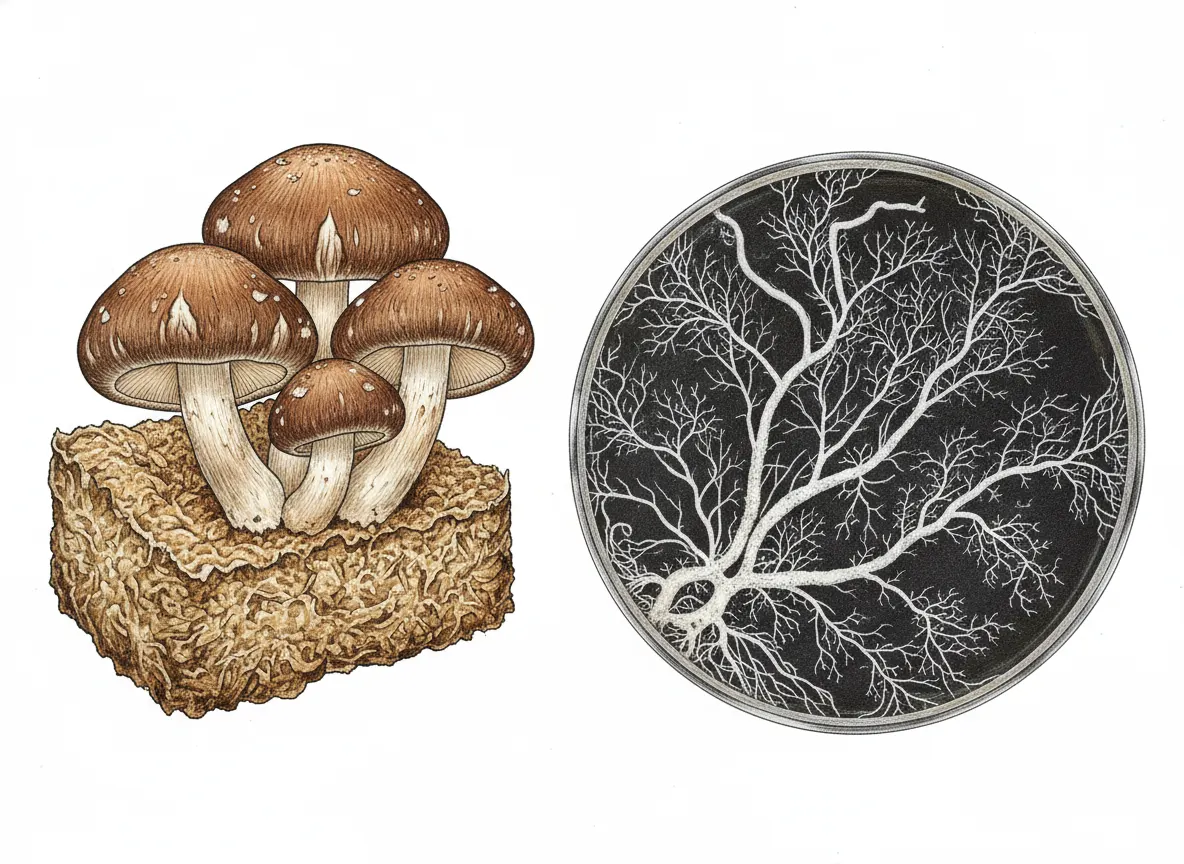
The mushroom industry has a cost problem. Growing actual mushroom fruiting bodies is expensive and time-consuming. It's much cheaper to grow mycelium on grain in a lab, then grind up the entire substrate — grain and all — and call it a "mushroom extract."
This means most mushroom coffee products are loaded with grain starch and contain minimal active compounds. When you see "proprietary blend" on a label, it's often code for "we're not telling you how little actual mushroom extract is in here." The result? Products that taste like coffee but deliver none of the promised mushroom benefits.
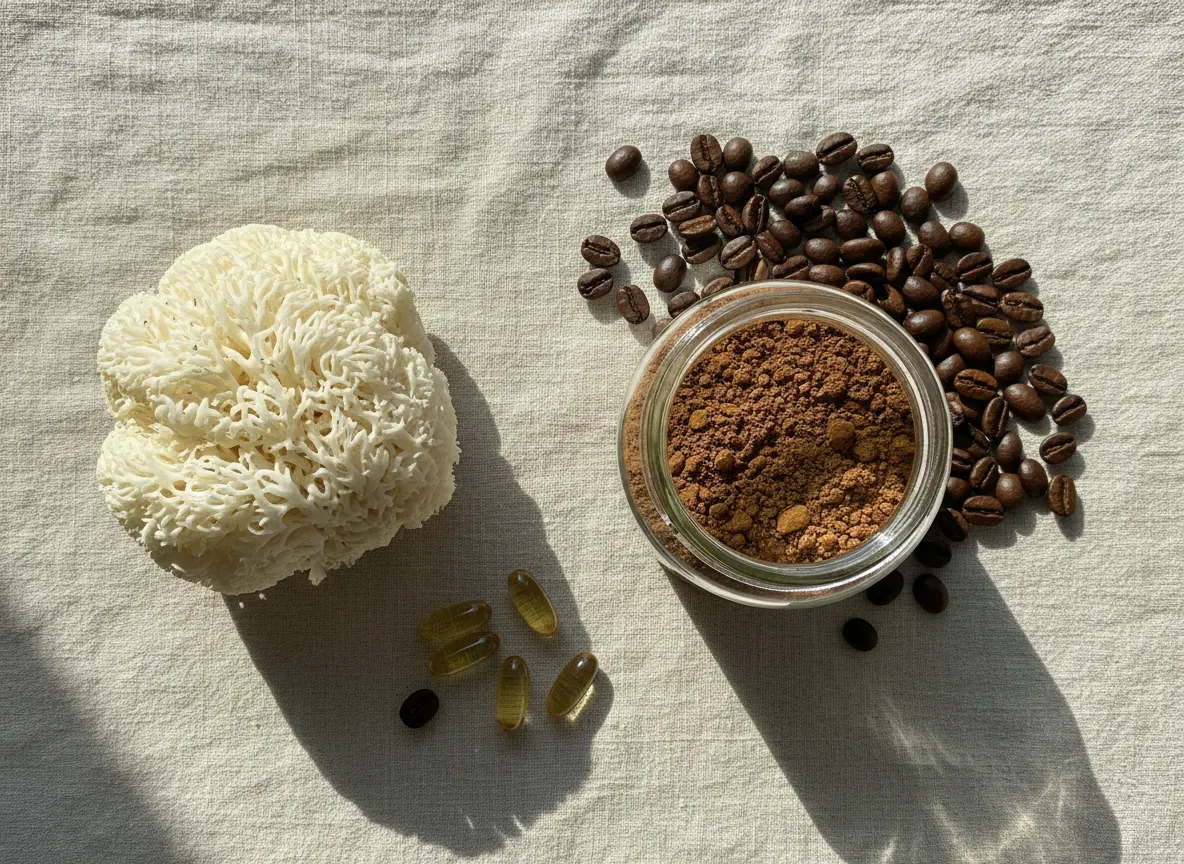
After reviewing dozens of products and their third-party testing reports, here's what separates real mushroom coffee from expensive grain-filled imposters:
That's where Pow Wonder Coffee comes in. After trying dozens of mushroom coffee brands that delivered nothing but expensive disappointment, I finally found one that checks every box on the criteria above.
Pow uses 8x concentrated fruiting body extracts exclusively — no mycelium, no grain fillers, no proprietary blends hiding weak doses. Each serving delivers 1200mg of Lion's Mane extract (360mg 8:1 fruiting body = 2880mg equivalent powder), 840mg each of Reishi and Chaga, plus 120mg of L-theanine for smooth energy delivery. The coffee itself contains just 60mg of caffeine (about half a regular cup), but the sustained focus and calm alertness lasts for hours without any crash.
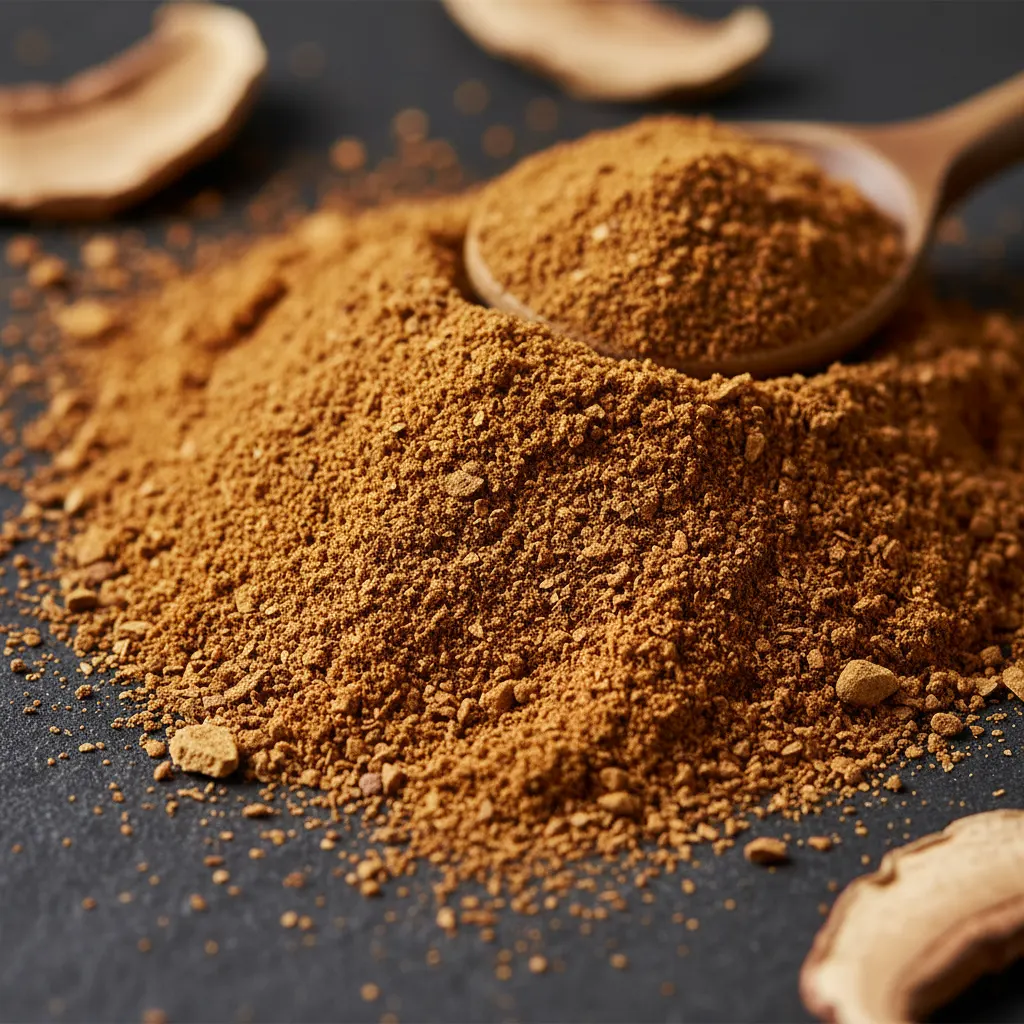
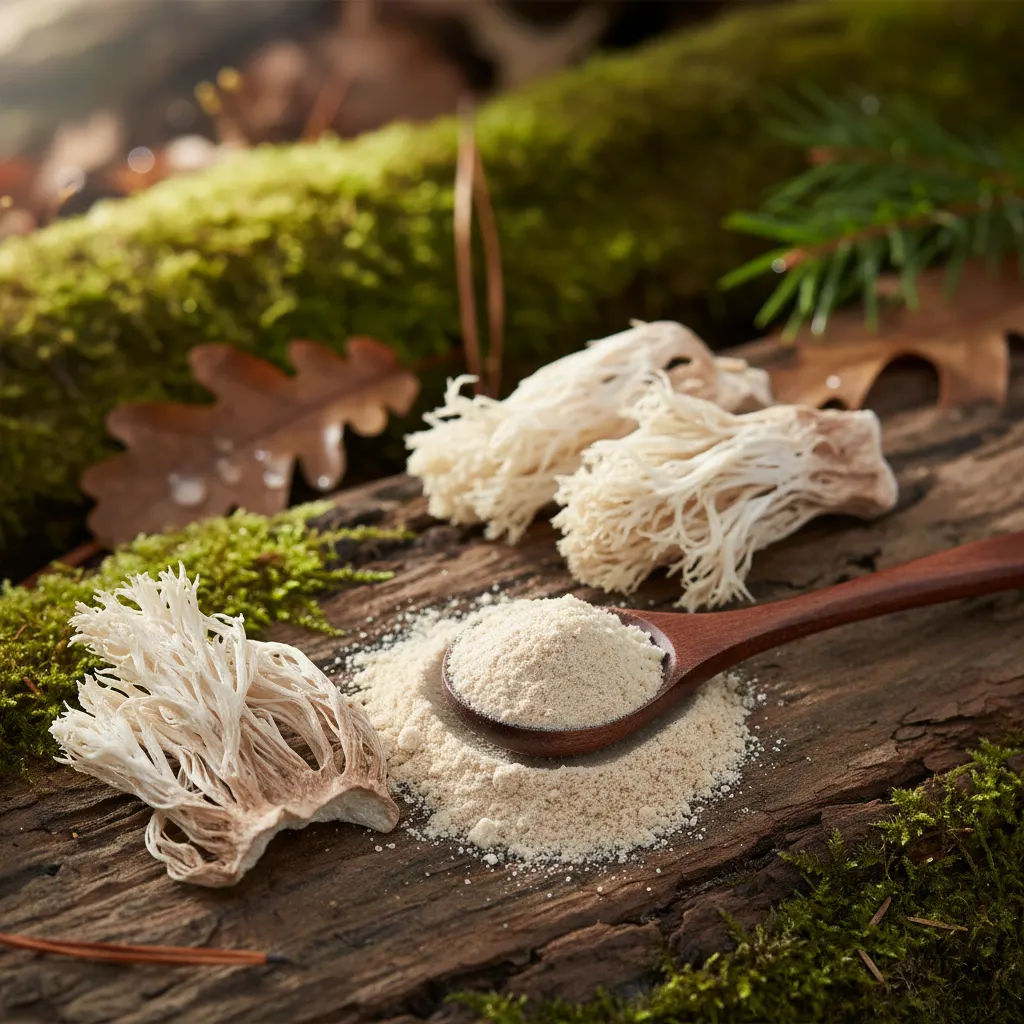
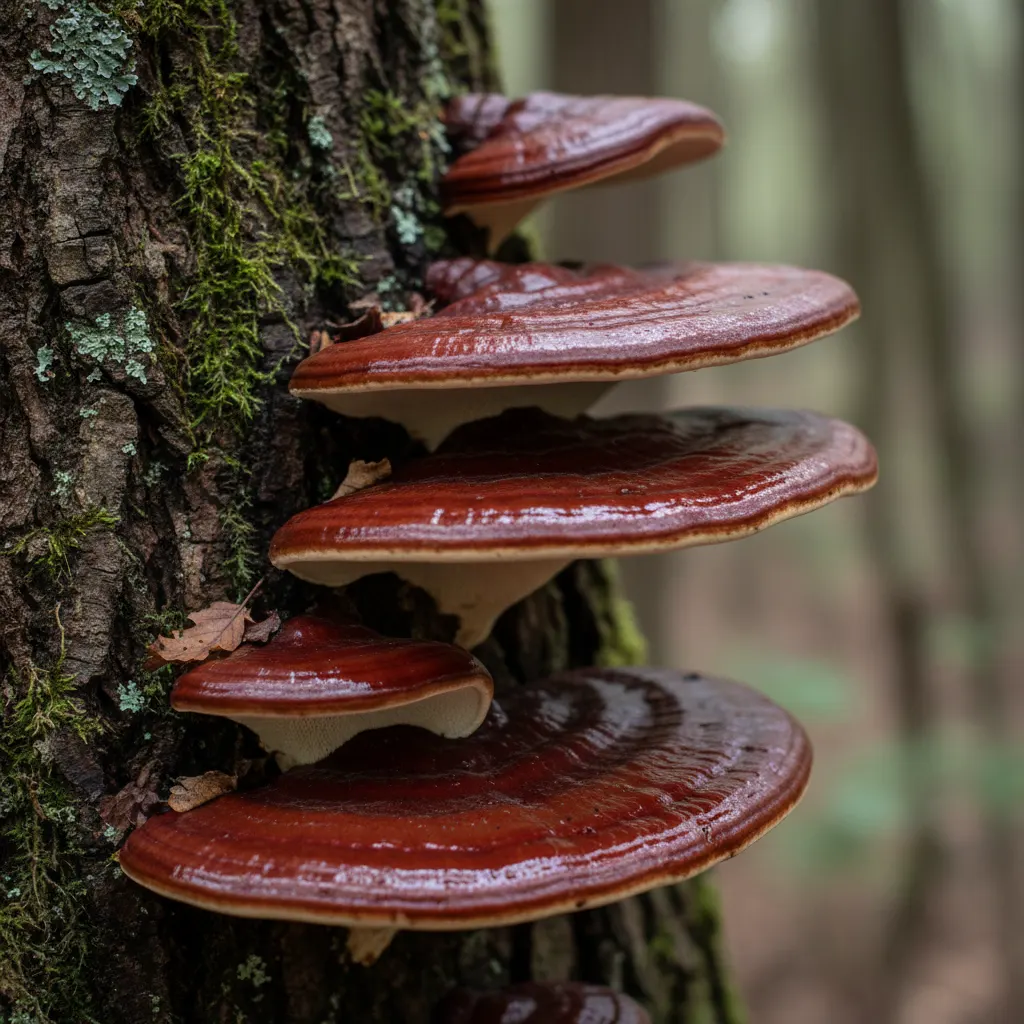
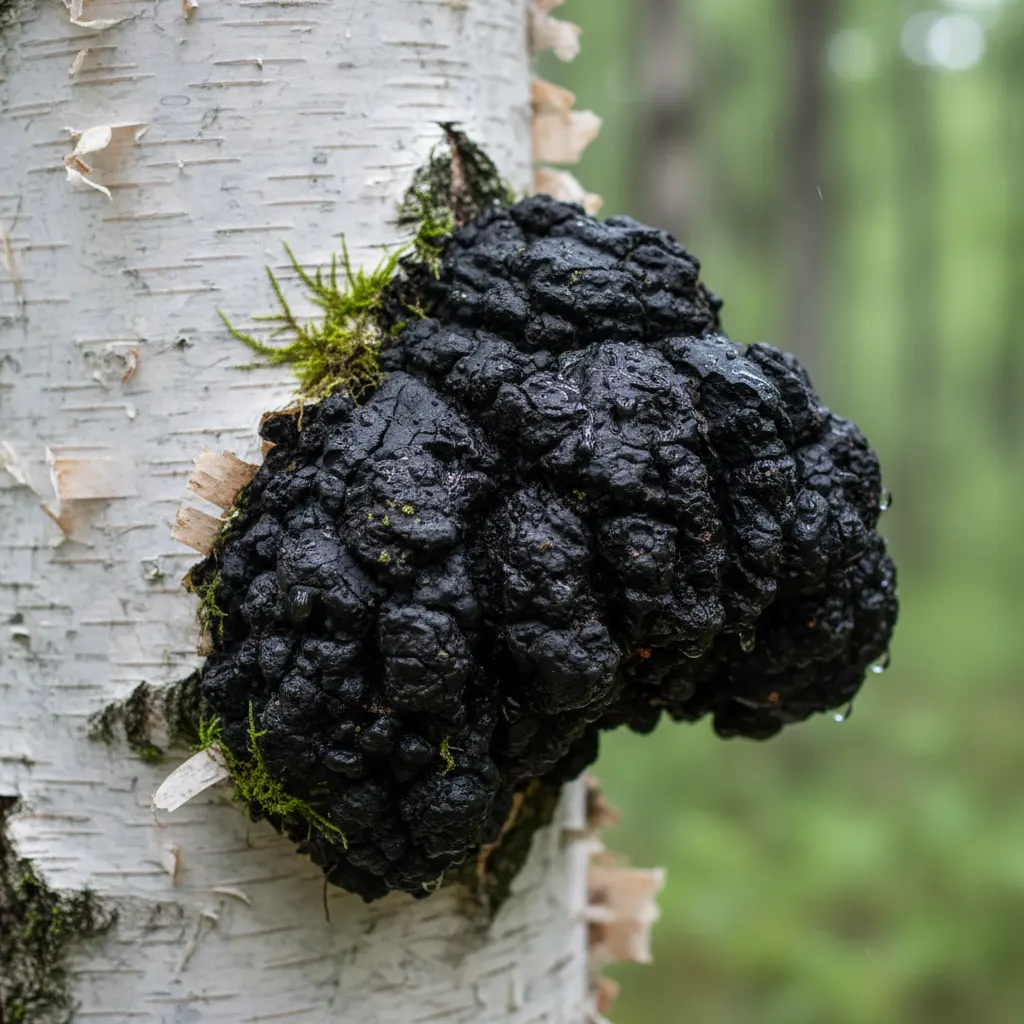


Most mushroom coffees use mycelium-on-grain blends, which are 80% filler grain and 20% actual mushroom. Wonder Coffee uses 8x concentrated fruiting body extracts -- meaning eight pounds of raw mushroom are reduced to one pound of finished powder -- with zero grain, zero fillers.
This is why a single cup delivers 1200mg of Lion's Mane, 840mg of Reishi, and 840mg of Chaga. Those are the doses published research actually measures, not the 100-200mg token amounts competitors hide in their blends.

Sixty milligrams of coffee caffeine alone would still create the familiar spike-and-crash cycle. Paired with 120mg of L-theanine, the caffeine releases slowly across your system, stretching into hours of clear-headed energy without the jitters, anxiety, or afternoon crash.
L-theanine is what makes the difference between "coffee that works" and "coffee that works without destroying your nervous system."

Lion's Mane extract at 1200mg per serving is the highest-dosed ingredient in the blend because it's the one that directly supports the mental sharpness productivity-focused professionals actually need. At this dose, it works on the neurological level to support sustained focus across the workday.
Below 800mg, the effect is too subtle to feel; at 1200mg, the difference in mental clarity is noticeable within the first few cups.

Reishi (840mg) is the adaptogen that signals your nervous system to shift out of fight-or-flight, while Chaga (840mg) supports immune function and reduces the inflammatory stress response. Together, they build a foundation of calm that balances the caffeine's upregulating effect.
This is why drinkers report feeling alert and awake, not drowsy -- the mushrooms don't sedate, they regulate.

Every batch of Wonder Coffee is tested by Eurofins for heavy metals, pesticides, and potency. Unlike competitors who hide behind proprietary blends and vague "mushroom complex" labels, Wonder Coffee publishes what's actually in the cup: named extracts at named doses, with no mycelium, no grain, no filler.
You're paying for concentrated mushroom, not paying to guess what you're actually drinking.

Remember that 2 PM coffee routine that left you jittery and crashed by 4? With real mushroom extracts at clinically relevant doses, your afternoon could look completely different — sustained focus without the flutter, clear thinking without the crash, energy that carries you through your day instead of sabotaging it.