9 Things Most Mushroom Coffee Brands Get Wrong About Extraction
Mycelium powder and concentrated fruiting body extracts produce different results in your focus, your stomach, and how many cups you actually need.

Most mushroom coffee tastes like dirt, dissolves into grit at the bottom of your mug, or delivers benefits so subtle you wonder if you imagined them. The problem isn't mushrooms — it's what passes for mushrooms in most blends. Cheap mycelium powder (mushroom roots grown on grain) gets labeled as extract, dosed too low to matter, and paired with enough caffeine to mask the lack of function. Real fruiting body extracts — the actual mushroom, concentrated 8-to-1 — work differently. Here's what changes when a brand does extraction right.
Most Brands Use Mycelium, Not Actual Mushrooms
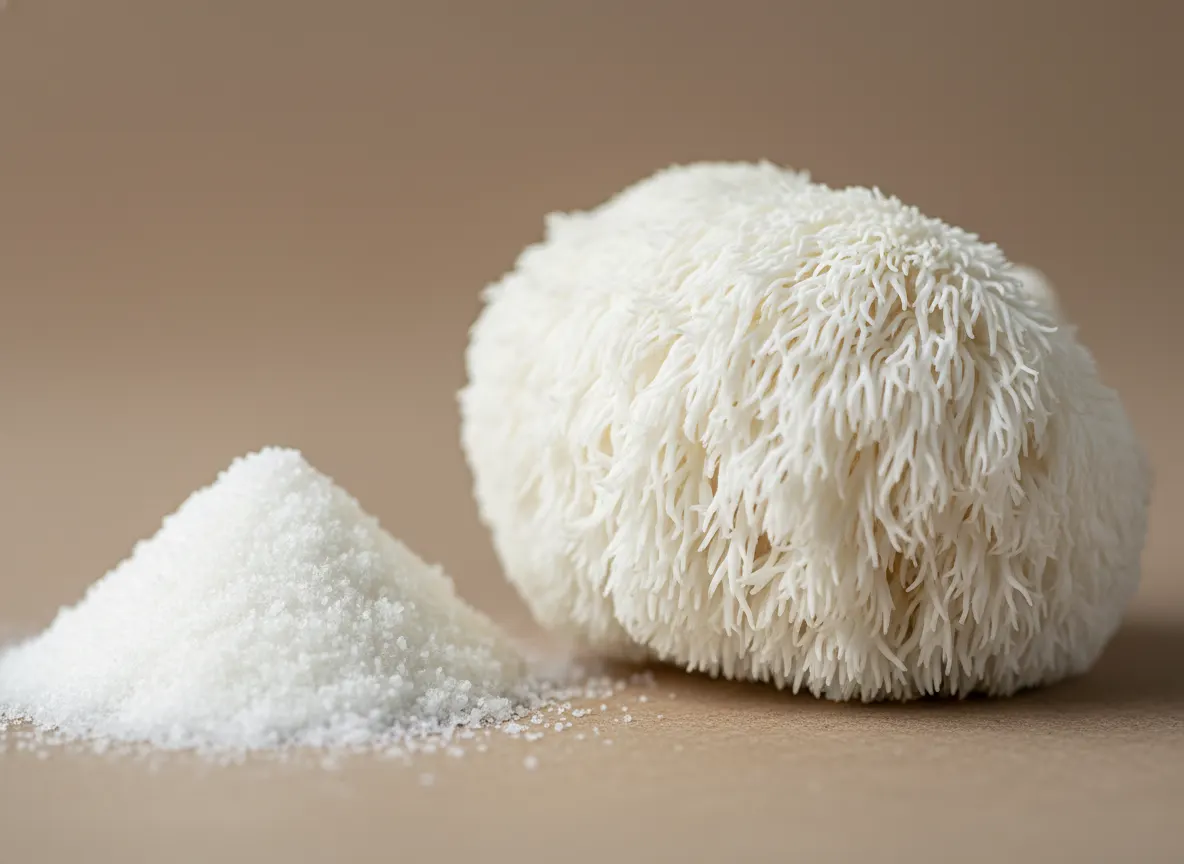
The mushroom coffee you tried before probably wasn't mushroom at all. Most brands use mycelium — the root structure of the fungus, grown on grain and ground into powder. It's cheaper to produce, but it's not the part of the mushroom that contains the compounds research actually studies.
Fruiting body extracts come from the mature mushroom cap and stem — the part above ground. That's where lion's mane, reishi, and chaga concentrate their beta-glucans, triterpenes, and polysaccharides (the active compounds that support focus, immunity, and stress response). A blend made from mycelium might list mushrooms on the label, but you're mostly drinking grain starch.
Extraction Ratios Tell You What You're Actually Getting
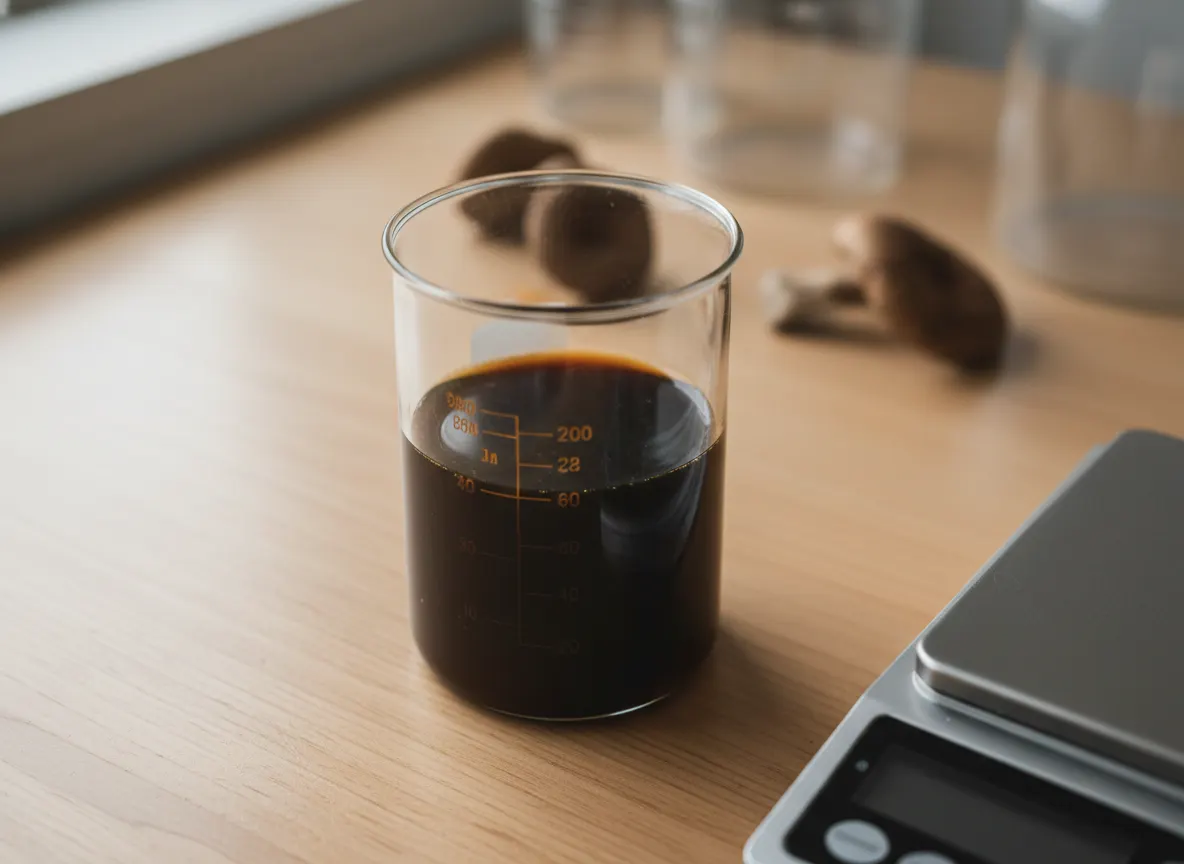
An 8:1 extraction ratio means 8 pounds of raw fruiting body mushrooms were concentrated down to 1 pound of extract. That's the process that isolates the active compounds and makes them bioavailable — absorbable by your body when you drink them.
Blends without extraction ratios on the label are usually straight powder — not concentrated, not extracted. You'd need to eat handfuls of raw mushroom to get the same effect one serving of 8:1 extract delivers. The difference shows up in whether you feel anything at all.
Wonder Coffee Doses Mushroom Extracts at Clinical Levels
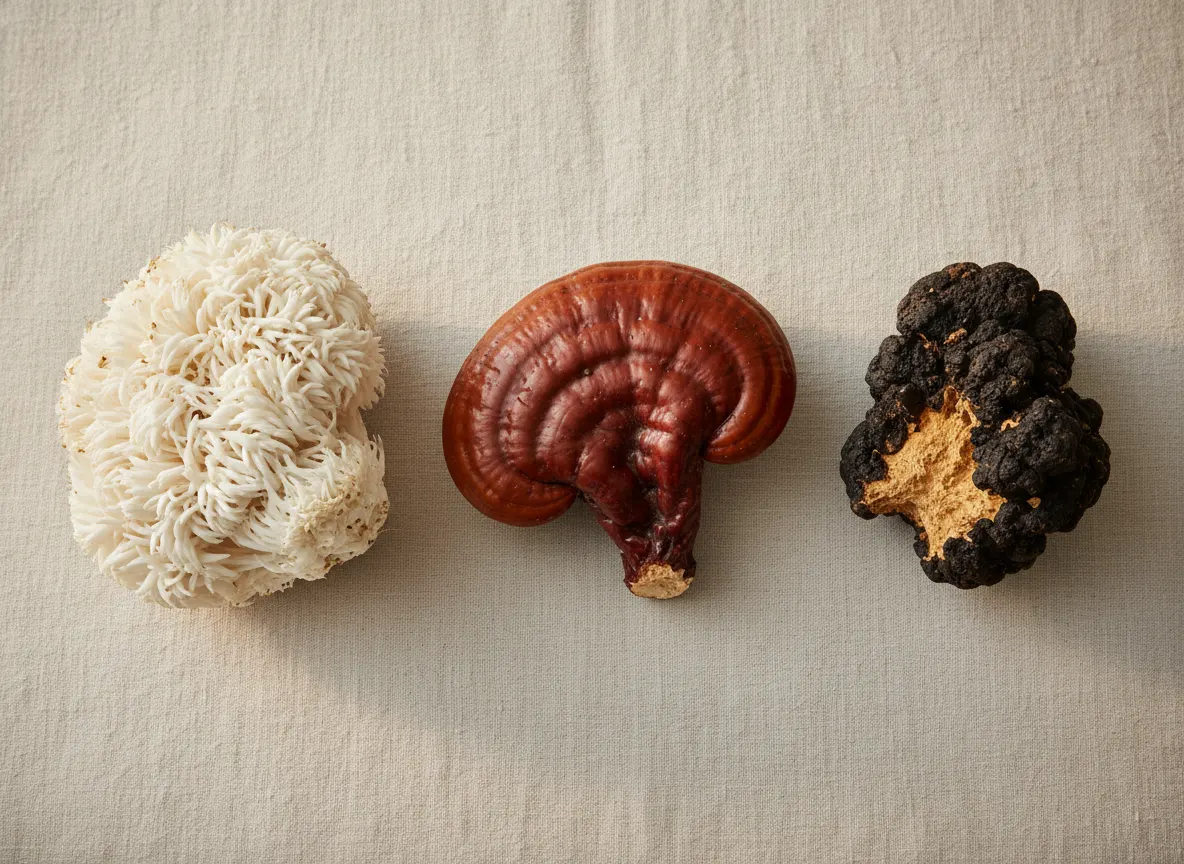
Wonder Coffee delivers 3,000mg+ of mushroom extracts per serving — 1,200mg lion's mane, 840mg reishi, 840mg chaga, all from 8:1 fruiting body. That's the dose range peer-reviewed studies use when testing cognitive support, stress resilience, and immune function. Most competitors dose mushrooms at 500–1,000mg total, often from mycelium powder. The gap isn't subtle.
Third-party lab testing by Eurofins confirms what's on the label matches what's in the bag. Heavy metal screening and purity verification mean you're not guessing about sourcing.
The Jitter-Free Energy Comes From L-Theanine Pairing

60mg of caffeine (about half a regular cup of coffee) paired with 120mg of L-theanine creates what most buyers describe as clean energy — alert without anxious. L-theanine is an amino acid found in tea that smooths out caffeine's sharp edges. It doesn't block the energy; it changes how your body processes it.
Buyers report no crash, no stomach pain, no mid-afternoon need for a second cup. One reviewer who tried four other mushroom coffee brands said Wonder was the only one where she stopped wanting another stimulant by 11am. That's the L-theanine working — it extends the caffeine curve without adding more caffeine.
Lion's Mane Supports Focus Without the Brain Fog

Lion's mane extract increases nerve growth factor (NGF) — a protein your brain uses to maintain and grow neurons. Research suggests it supports memory, processing speed, and mental clarity over time.
Multiple buyers mention brain fog lifting as the first change they noticed. One described it as the main symptom she was trying to combat; after switching to Wonder Coffee, she felt the difference within weeks. Another noticed her memory improving enough that her doctor commented on her blood pressure drop at a six-month physical.
The effect isn't instant — lion's mane accumulates. Most people report clarity sharpening over the first 2–4 weeks.
Reishi and Chaga Handle Stress and Immunity

Reishi is an adaptogen — a compound that helps your body regulate stress hormones like cortisol (the chemical your body releases when it thinks something's wrong). Chaga is dense with antioxidants that support immune function and reduce inflammation (the kind of internal swelling that makes your stomach hurt after acidic coffee).
Buyers who switched from regular coffee mention better digestion and fewer stomach cramps. One described it as the lack of kickback and letdown — no bloating, no stomach pain, no post-caffeine crash. The calming effect of reishi plus the gut-soothing properties of chaga work together to make coffee feel less like an assault.
It Actually Tastes Like Coffee, Not Like Dirt

The most common objection to mushroom coffee is taste. Buyers who tried Ryze, Four Sigmatic, and other brands before Wonder describe those blends as earthy to the point of undrinkable — or so weak on mushroom content the coffee flavor dominates and the function disappears.
Wonder Coffee tastes chocolatey, roasted, and smooth — hot or iced. Multiple reviews mention trying it cold over ice and being surprised the mushroom flavor came through as a mild, pleasant undertone instead of overpowering bitterness. One buyer said it was the only mushroom coffee that actually tasted like coffee to her. Another mentioned no grit left in the bottom of the mug — a problem with brands that use unextracted powder.
The vegan option swaps collagen for Tremella mushroom extract and MCT oil, keeping the texture creamy without dairy or animal products.
Buyers Replace Their Full Coffee Routine, Not Just One Cup

The surprise benefit most buyers didn't expect: they stopped wanting a second cup. One reviewer said it cut down the number of cups she drank without trying. Another mentioned dropping coffee entirely after starting Wonder.
The combination of L-theanine, lion's mane, and reishi seems to satisfy the craving for stimulation without triggering the need for more. Energy stays steady instead of peaking and crashing. Focus holds through the afternoon. The ritual still feels like coffee — one scoop, hot water, optional creamer — but the compulsion to refill disappears.
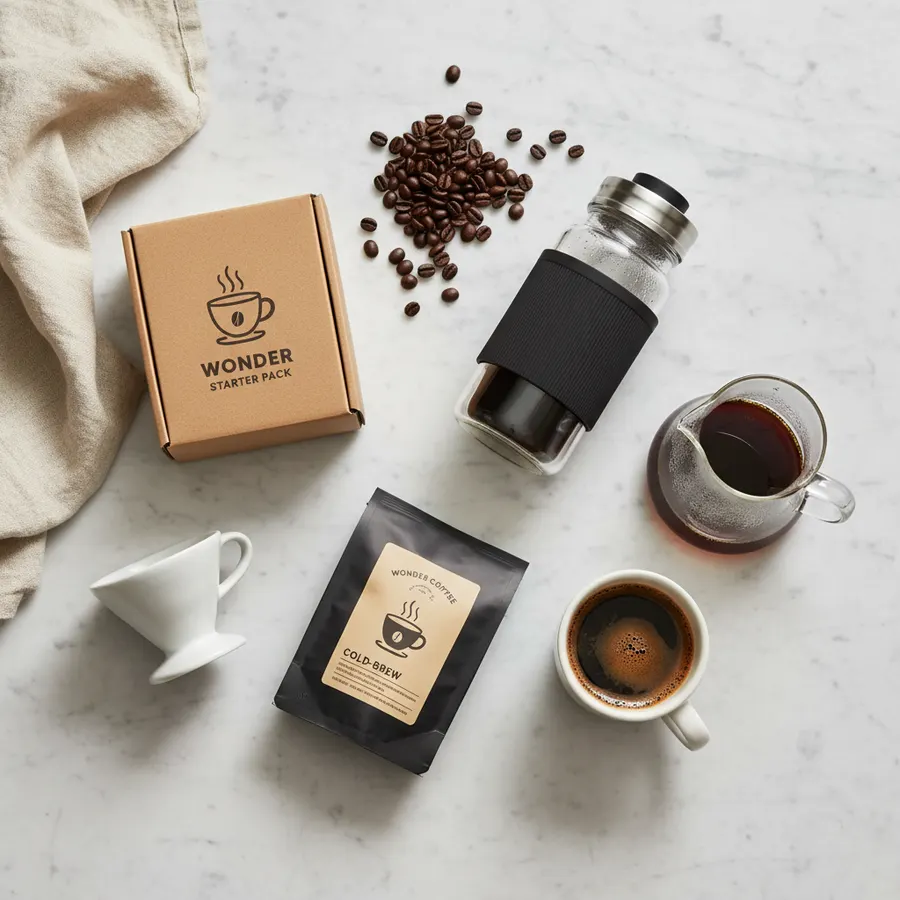
The Starter Pack Includes Two Blends and a Frother
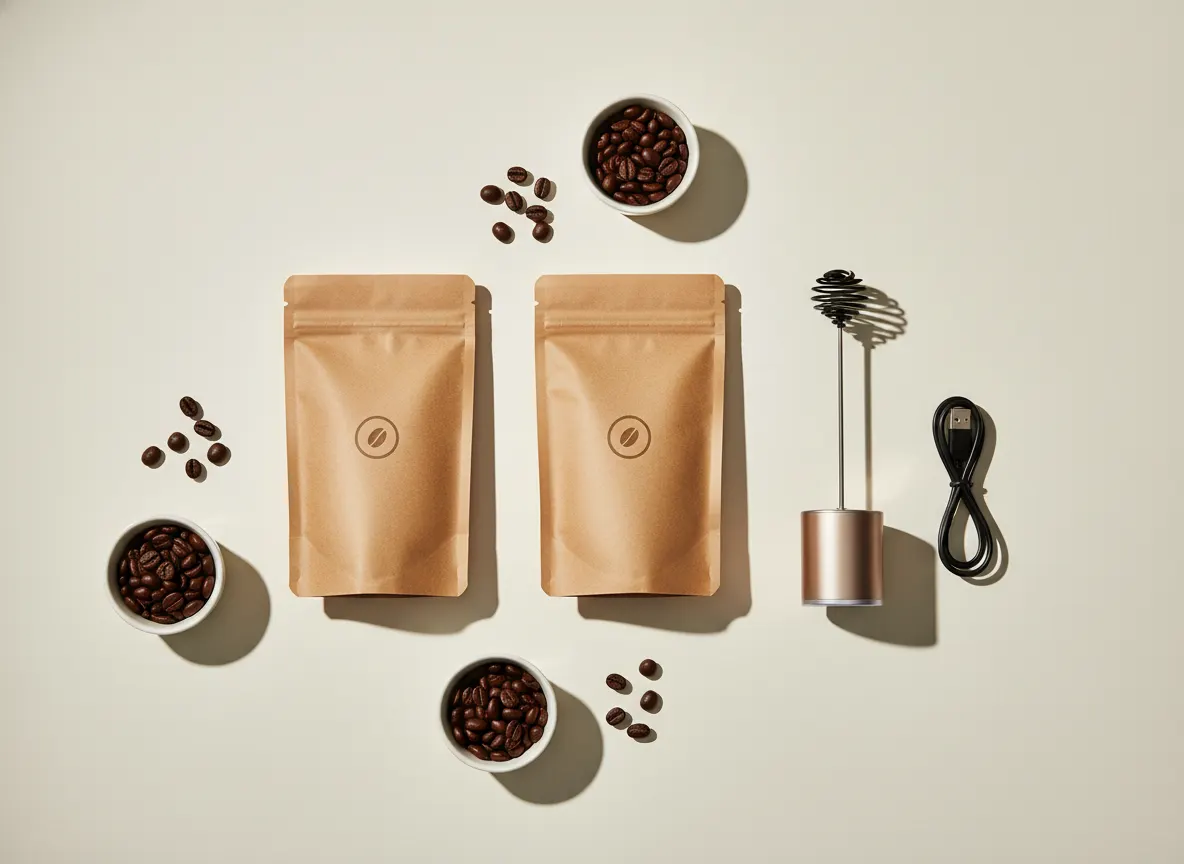
Wonder's Starter Pack ($29.95) includes sample servings of both mushroom coffee and mushroom matcha, plus a rechargeable electric whisk. The whisk matters — it dissolves the extract powder completely in under 10 seconds, no grit, no clumps.
60-day money-back guarantee means you can try it for two months and return it if the focus, energy, or taste doesn't hold up. Most buyers report at least one improvement in physical or mental health, and the vast majority would recommend it to a friend.
Most buyers who try the starter pack switch to a monthly subscription. The price holds at $29.95 per bag when you subscribe — same as the trial, not a post-trial markup.
Try Wonder Coffee Risk-Free for 60 Days
What Buyers Notice First
Most people report changes within the first week — sustained energy without jitters, better focus by mid-morning, or reduced stomach discomfort. The benefits deepen over time as lion's mane and reishi accumulate.
What's in Every Serving
Common Questions About Mushroom Coffee
Most questions come down to three concerns: does it taste like mushrooms, how long before you feel a difference, and whether the clinical doses match what research actually uses. Here's what buyers ask most.