Your olive oil is probably really old, even if you just bought it. This date most people miss on the bottle will give you the full story.
Harvest-to-bottle speed matters more than brand names, glass bottles, or price — and the grocery shelf hides the one detail that reveals whether you're cooking with fresh olives or stale ones.
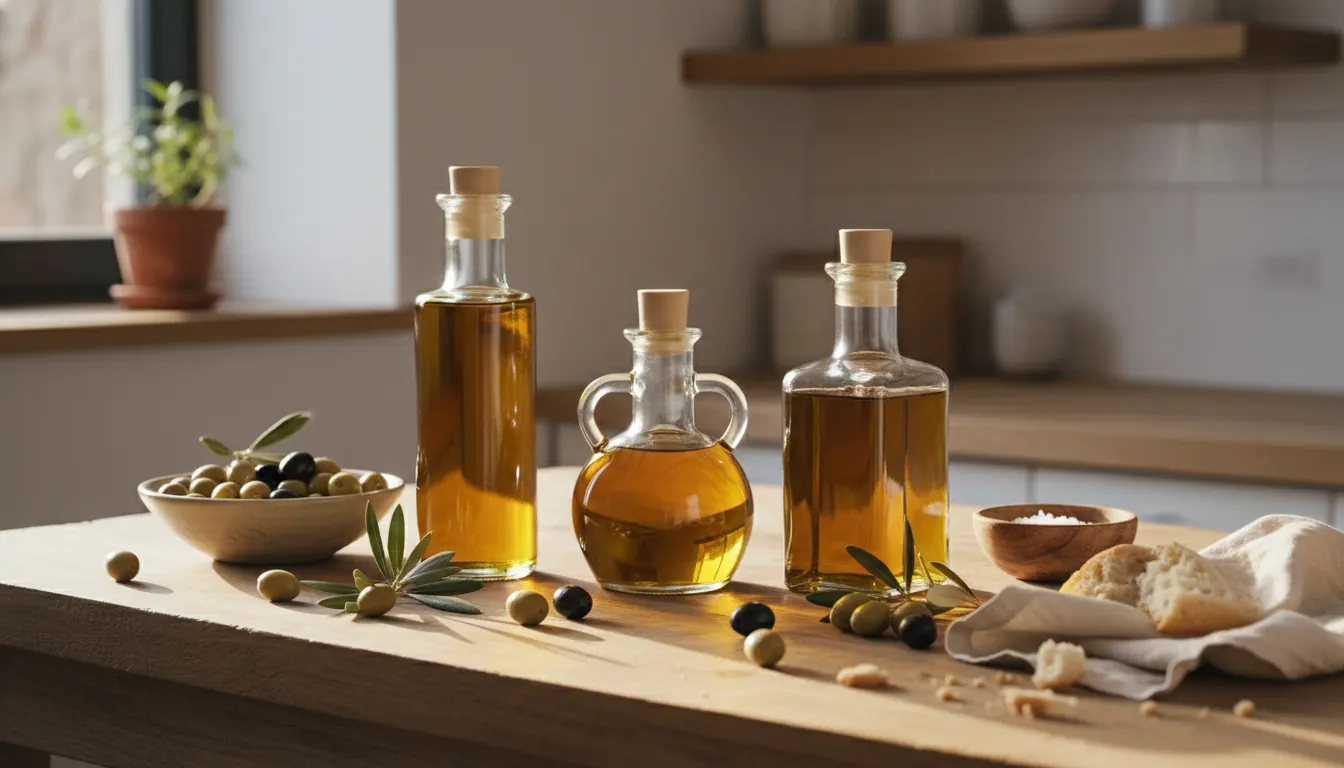
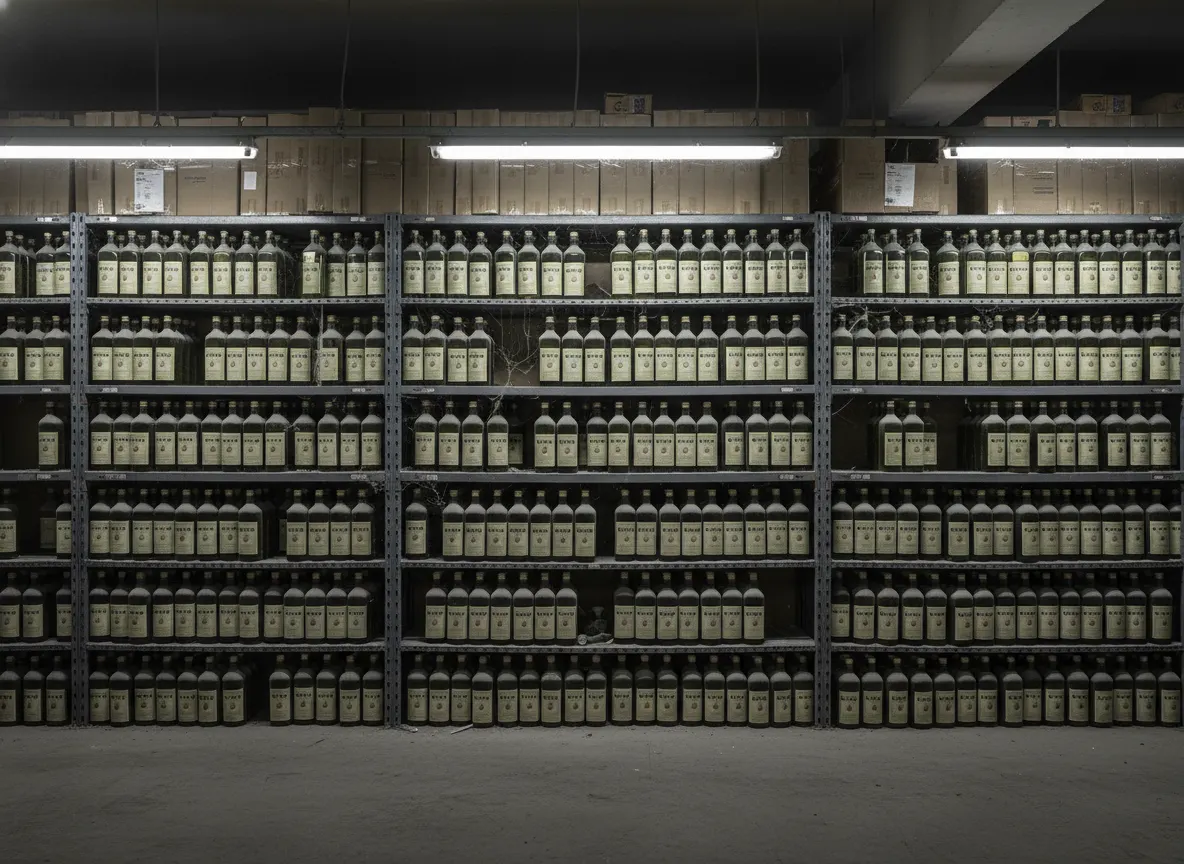
Most grocery store olive oil sat in a warehouse for six to nine months before it reached the shelf. Then it sat on that shelf for another few months before you bought it.
The oil itself might be extra virgin by the technical standard — first cold press, no chemical refinement. But by the time it reaches your pan, oxidation has already done its work. The peppery bite is gone. The fruity notes vanish. What remains tastes flat.
Freshness is the variable that separates an olive oil you drizzle on everything from one you use because it's there. And the gap between harvest and bottle is the number that tells you which one you're holding.
The category problem no one talks about
Most olive oils meet the minimum quality bar. Extra virgin. Cold-pressed. Sometimes even single-origin.
But they still spend months in transit — from harvest to processing facility, processing facility to distributor, distributor to grocery chain, grocery chain to your kitchen. Every week that passes, the oil oxidizes. The flavor compounds break down. The oil gets closer to neutral.
So here's what this piece delivers: what makes olive oil quality a real thing, not marketing. How to spot the difference between fresh and aged. And what sets harvest-speed oil apart — getting it directly to your door with no warehouse delays — no warehouse, no months-long journey.
What freshness actually means
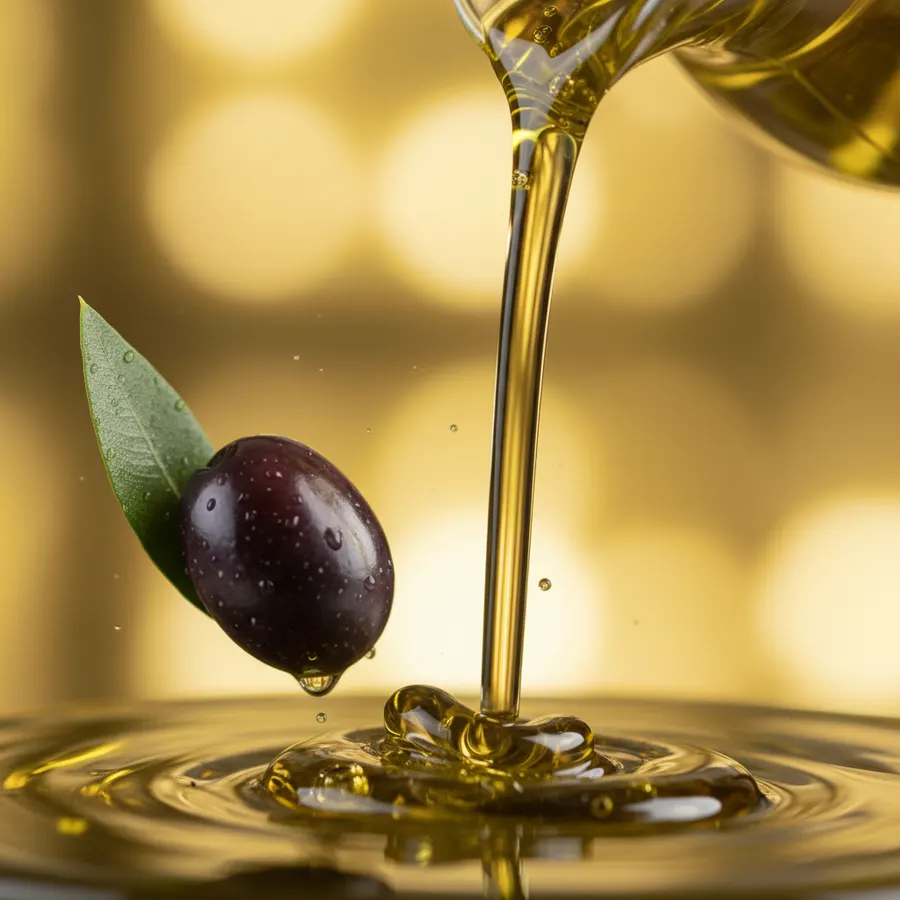
Olive oil is fruit juice.
The clock starts at harvest. The moment an olive comes off the tree, enzymes begin breaking down the fruit's cell walls. Oxygen starts oxidizing the polyphenols that give the oil its peppery, grassy, fruity flavor.
If the olives sit for days before pressing, those flavors dim. If the oil sits for months after pressing, they disappear entirely.
Harvest-to-bottle speed is the number that determines whether your oil tastes like olives or tastes like time. Most premium brands measure it in weeks. Fresh harvest-to-bottle approaches measure it in days.
Varietal matters too. Picual olives — the variety Graza uses — produce a punchy, peppery oil with high polyphenol content. Those polyphenols are antioxidants; they protect the oil from breaking down as quickly as milder varieties. But even a Picual loses its edge if it spends six months in a shipping container.
It takes about 5,000 olives to make one 500mL bottle of finishing oil. That's not trivia.
A bottle of fresh oil is 5,000 individual fruits pressed at peak ripeness and sealed immediately. A bottle aged for months is 5,000 fruits that started breaking down the day they were picked.
Then there's the difference between finishing oils and cooking oils. A finishing oil — designed to be tasted raw — works best when drizzled on pasta, salads, and roasted vegetables. You drizzle it on pasta, salads, roasted vegetables. The flavor is the point.
An everyday cooking oil is filtered differently to handle daily heat without smoking. A high-heat cooking oil uses a blend designed to stay stable at searing temperatures.
Most grocery store oils are sold as single-use products expected to work for everything. That works if flavor doesn't matter. If flavor does, you need the right tool for the job.
What fresh olive oil actually does
How most olive oil reaches your kitchen (and why that matters)
- Harvested months ago, languishing in warehouses and shipping containers before reaching shelves
- Oxidizes during long storage — bright fruity notes fade to dull, musty flavors
- Unclear harvest date; "best by" is your only clue to age
- Blended from multiple harvests and origins to maintain consistency, losing varietal character
- Plastic bottles that let light and air degrade the oil further during display
- Tastes generic because it's been sitting long enough to lose its personality
- Picked and bottled within days — olives go from tree to your door at peak freshness
- Peppery, fruity, punchy flavors stay vibrant because the oil hasn't oxidized in transit
- You know exactly when it was harvested and how fresh it actually is
- Single-varietal oils (like Picual) showcase distinct tasting notes that time destroys
- Glass bottles protect the oil from light and air degradation from day one
- Tastes noticeably better because it hasn't spent months slowly losing its character
What to expect from your first bottle
Why fresh harvest-to-bottle olive oil tastes like the harvest, not the shelf
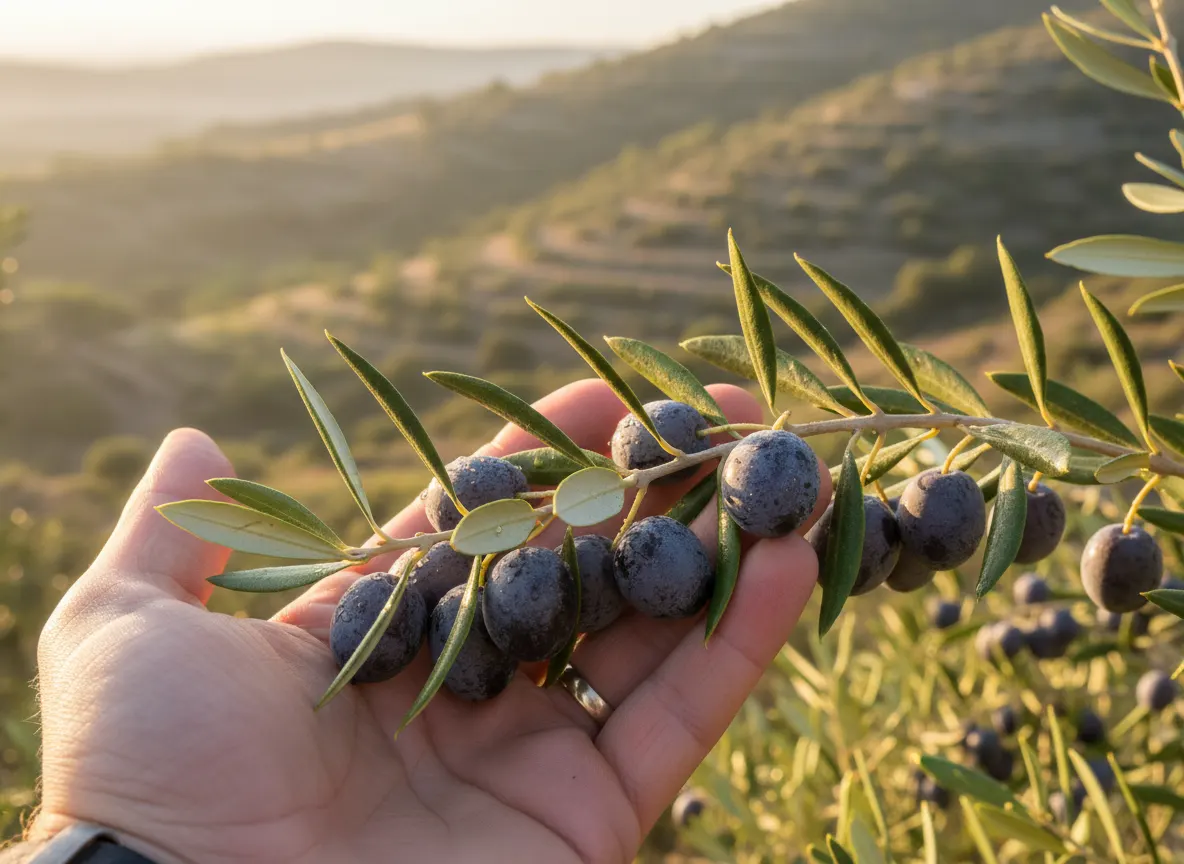
Field-to-bottle speed locks in harvest flavor
Most olive oil sits in warehouses for months before it reaches your kitchen, oxidizing and losing the bright, peppery notes that made it worth buying in the first place. Graza picks olives and bottles them directly — no middleman, no storage tank — so the oil tastes like the harvest, not like time.
That's why Drizzle tastes peppery and punchy instead of flat and greasy. Freshness isn't a marketing claim here; it's a flavor you can taste on your tongue.
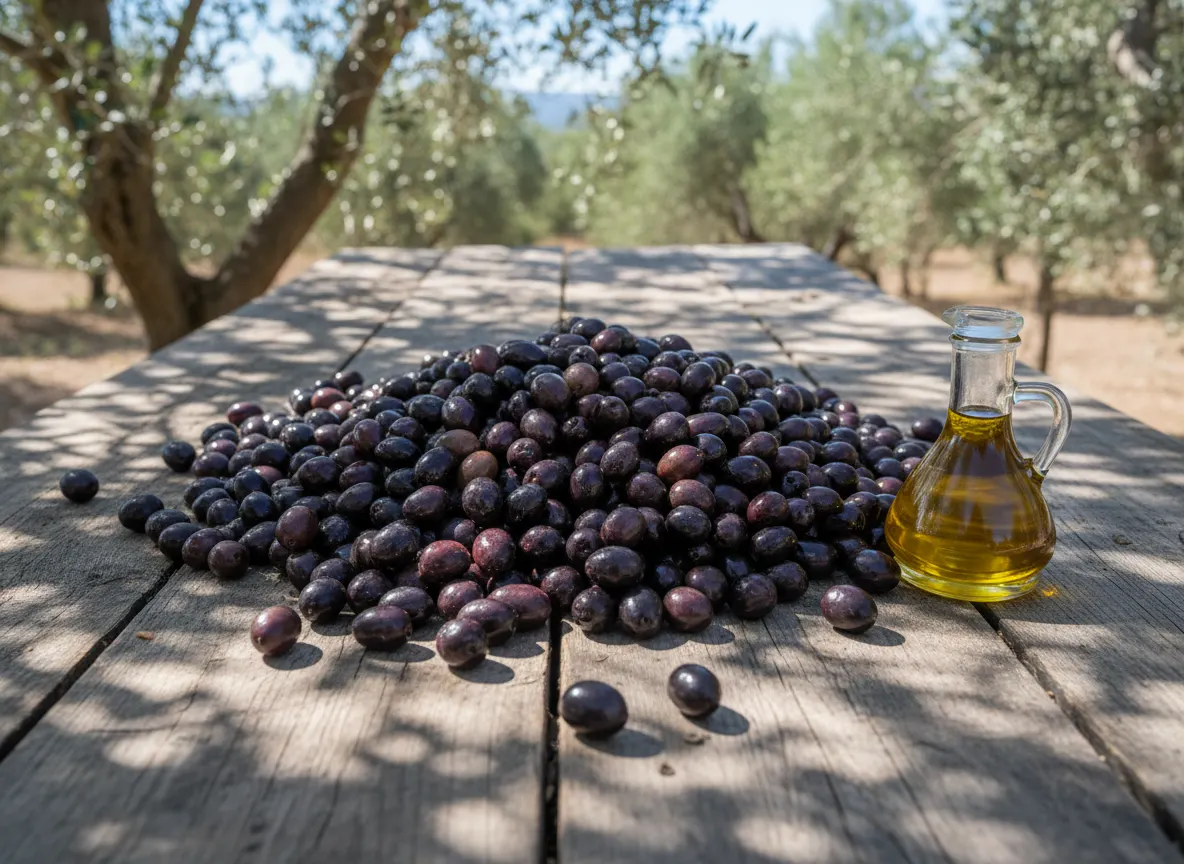
5000 olives concentrate into one bottle of Drizzle
You're not buying diluted oil or oil stretched with filler. It takes 5,000 olives to make a single 500mL bottle of Drizzle — which means every drop is the concentrated essence of thousands of pieces of fruit.
That's why a little goes a long way and why the flavor is so distinct. You're finishing dishes with pure olive juice, not a generic commodity oil.
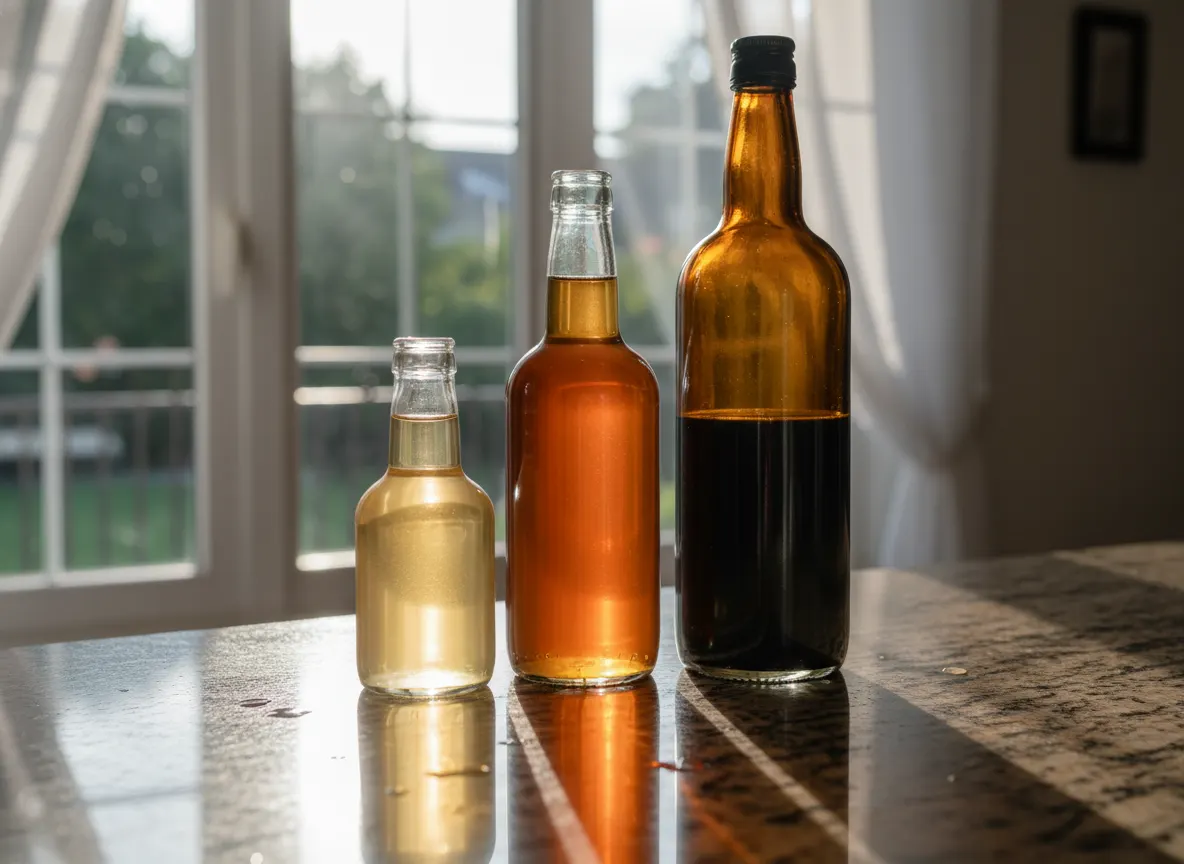
Three oils match three cooking temperatures
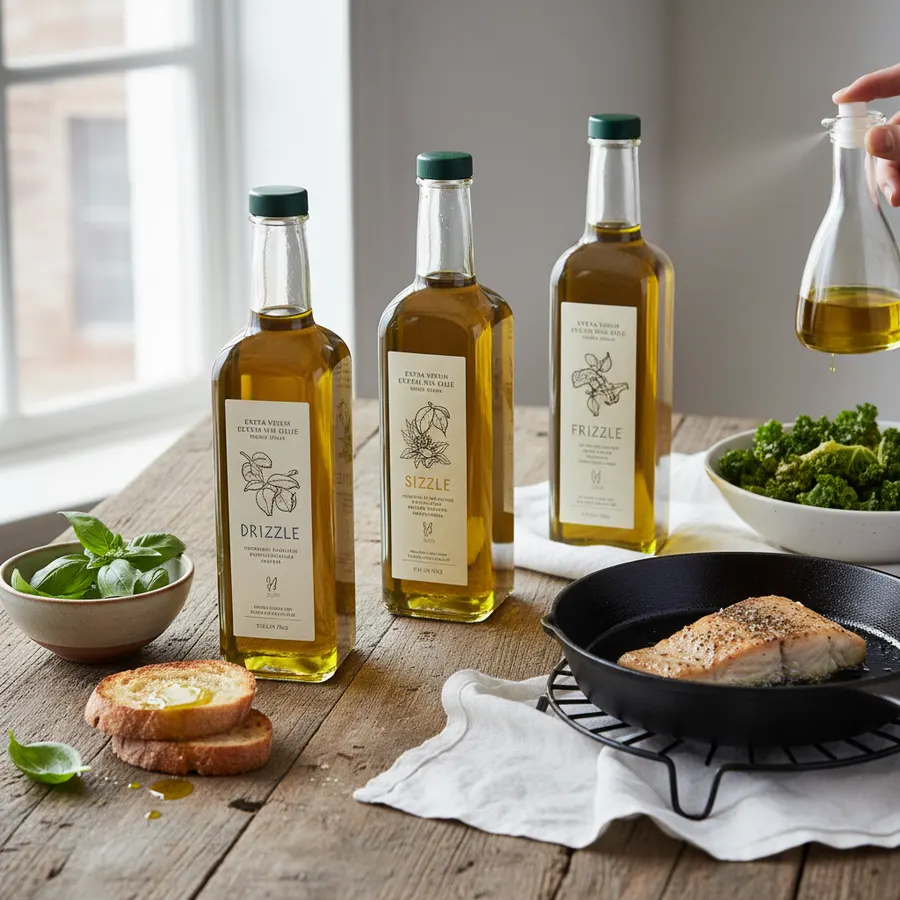
Drizzle is for finishing — salads, soups, bread. Sizzle handles everyday cooking and sautéing. Frizzle is your high-heat oil for frying and searing. Most people buy one oil and hope it works for everything, which means either wasting a premium product on high heat or burning an inferior oil on delicate dishes.
Graza lets you use the right oil for the job, which means less waste and better results in the pan.
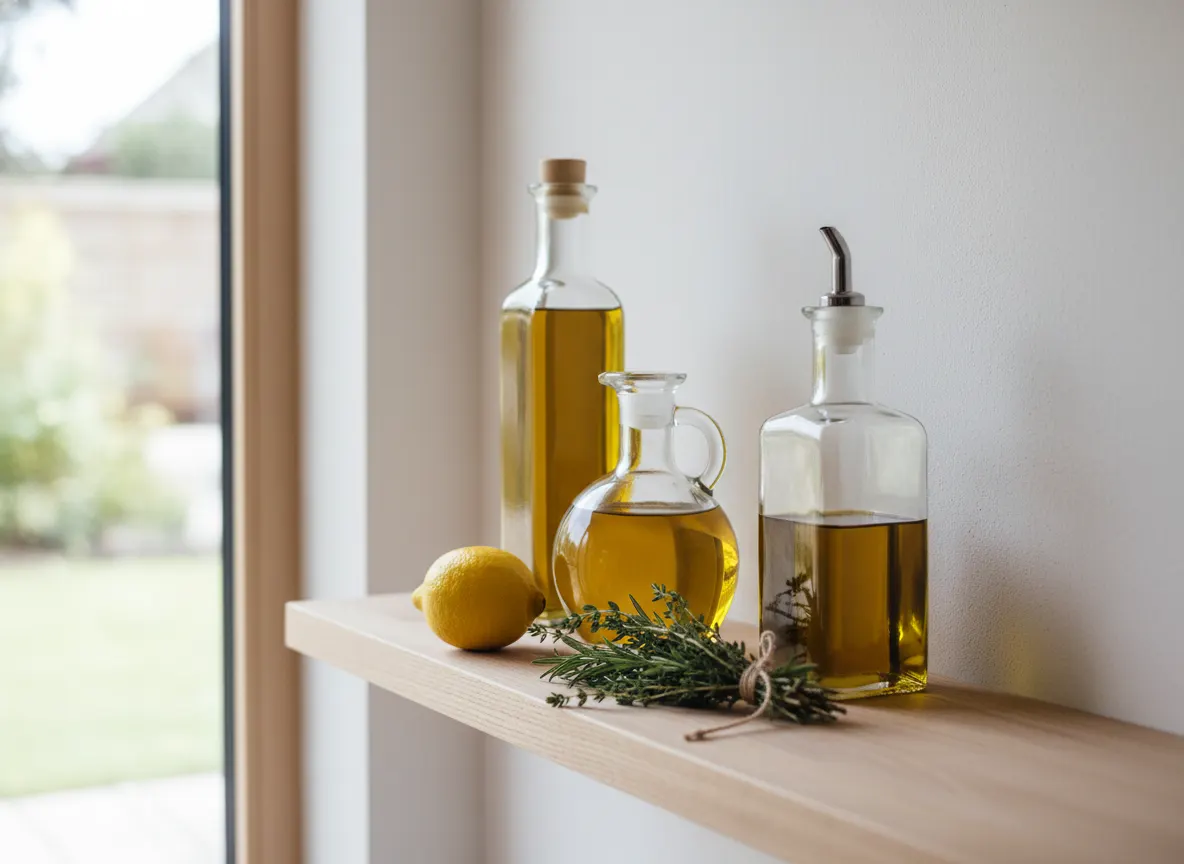
Glass bottles reduce plastic waste in your kitchen
Same oil. Better packaging. Glass doesn't leach chemicals into food, doesn't degrade in sunlight, and doesn't end up in a landfill — it gets reused or recycled infinitely.
If you're buying premium olive oil because you care about what goes in your body, the container matters too.
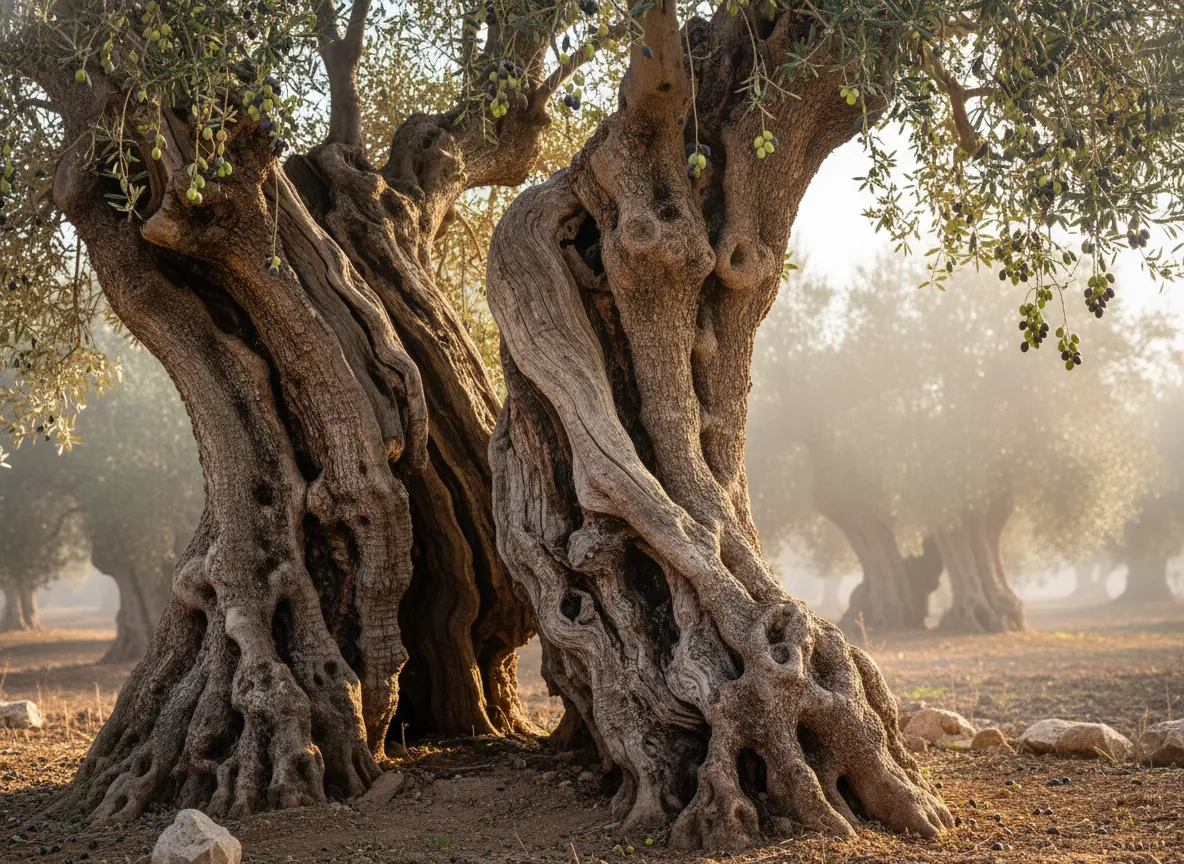
Picual and ancient varietal heritage in every pour
Picual trees can live over 1,000 years — which means the olives in your bottle come from trees that have been perfecting their fruit for a millennium. That's not just flavor history; it's proof that these varietals have something worth preserving.
You're not buying a generic "olive oil." You're buying the specific character of olives picked from trees older than most countries.